

Microsoft
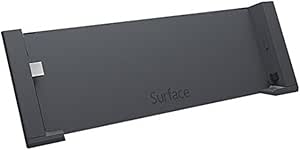
Microsoft G5Y-00001 Surface Pro Docking Station
Transform Your Surface into a Desktop WorkstationThe Microsoft Docking Station for Surface Pro and Surface Pro 2 expands the capabilities of your tablet, turning it into a full-fledged desktop workstation. Connect to your favorite accessories, external displays, and wired networks with ease. Spec...
$59.99*
View on Amazon
✓ In Stock on Amazon.com
*Price sourced from Amazon.com. Last updated:Oct 23, 2026.Price and availability are subject to change — details.
Affiliate Disclosure: As an Amazon Associate, Studio Supplies earns from qualifying purchases made through links on this page, at no additional cost to you. This helps support our editorial team.
Notice a mistake? Let Us Know
Overview
Transform Your Surface into a Desktop Workstation
The Microsoft Docking Station for Surface Pro and Surface Pro 2 expands the capabilities of your tablet, turning it into a full-fledged desktop workstation. Connect to your favorite accessories, external displays, and wired networks with ease.
Specifications:- Ports: 1 USB 3.0 Port, 3 USB 2.0 Ports
- Network: Ethernet port (10/100 Ethernet RJ-45)
- Audio: 3.5 mm audio input/output connections
- Video Output: 1 Mini DisplayPort
- Compatible: Surface Pro, Surface Pro 2
- Dimensions: 316 x 107 x 91mm
- Weight: 650 grams
Key Features
For Surface Pro and Surface Pro 2
1 x USB 3.0 port; 3 x USB 2.0 ports
1 x RJ-45 Ethernet (10/100 Mbps); 1 x Mini DisplayPort
1 x 3.5 mm headphone output; 1 x 3.5 mm mic input
Power adapter is included
Specifications
Compatibility
Microsoft Surface Pro, Surface Pro 2
USB 3.0 Ports
1
USB 2.0 Ports
3
Ethernet Port
1 x RJ-45 (10/100 Mbps)
Video Output
1 x Mini DisplayPort
Audio Output
1 x 3.5 mm headphone
Audio Input
1 x 3.5 mm mic
Power Adapter
Included
Model Number
G5Y-00001
Frequently Asked Questions
Which Microsoft Surface models are compatible with this docking station?
This Microsoft G5Y-00001 docking station is specifically designed for use with the Microsoft Surface Pro and Surface Pro 2 models, ensuring precise fit and functionality.
What types of USB ports are available on this Surface Pro docking station?
The docking station offers a versatile selection of USB ports, including one high-speed USB 3.0 port and three standard USB 2.0 ports for connecting various peripherals.
Does the docking station include an Ethernet port for wired network connectivity?
Yes, it features one RJ-45 Ethernet port, providing wired network speeds of up to 10/100 Mbps for stable internet connections, suitable for most browsing and office tasks.
Can I connect an external display to this Microsoft Surface Pro docking station?
Absolutely, the docking station is equipped with one Mini DisplayPort, allowing you to connect an external monitor or projector to extend your workspace.
Is a power adapter included with the purchase of this docking station?
Yes, a power adapter is conveniently included with the Microsoft G5Y-00001 Surface Pro Docking Station, so you can power your setup right out of the box.
What audio connections does this docking station provide for peripherals?
This docking station provides both a 3.5 mm headphone output for listening and a 3.5 mm microphone input for recording or communication, offering comprehensive audio options.
Related Products


