

Microsoft
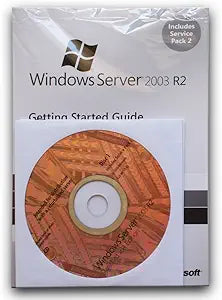
Microsoft P73-02768 Windows Server 2003 R2 SP2 - 64-bit
Legacy Server Solution: Microsoft Windows Server 2003 R2 Standard Edition x64 (Old Version) Designed for departmental and standard workloads, Windows Server 2003 R2 Standard Edition provides intelligent file and printer sharing, secure internet connectivity, and centralized desktop policy manage...
Check availability
Affiliate Disclosure: As an Amazon Associate, Studio Supplies earns from qualifying purchases made through links on this page, at no additional cost to you. This helps support our editorial team.
Notice a mistake? Let Us Know
Overview
Legacy Server Solution: Microsoft Windows Server 2003 R2 Standard Edition x64 (Old Version)
Designed for departmental and standard workloads, Windows Server 2003 R2 Standard Edition provides intelligent file and printer sharing, secure internet connectivity, and centralized desktop policy management.
- Brand: Microsoft
- Model: P73-02768
- Edition: Standard
- Architecture: 64-bit (x64)
- Networking Features: Internet Authentication Service (IAS), Network Bridge, Internet Connection Sharing (ICS)
- SMP: Four-way symmetric multiprocessing
- Maximum RAM: 4 GB
Key Features
Highly productive operating system for departmental and standard workloads
Delivers intelligent file and printer sharing; more secure Internet connectivity
Centralized desktop policy management; more efficient storage management
Support for smart cards, bandwidth throttling, and Plug and Play
Networking enhancements; optimized native support of Microsoft .NET and XML
Specifications
Product
Windows Server 2003 R2 SP2
Architecture
64-bit
Features
Intelligent file and printer sharing, secure Internet connectivity, centralized desktop policy management, efficient storage management, smart card support, bandwidth throttling, Plug and Play, networking enhancements, optimized .NET and XML support
Frequently Asked Questions
What are the primary benefits of Windows Server 2003 R2 SP2?
It is designed as a highly productive operating system for departmental workloads, offering intelligent file and printer sharing, enhanced Internet security, and centralized desktop policy management.
Is this version of Windows Server 2003 suitable for modern hardware?
As an older operating system, Windows Server 2003 R2 SP2 may have limited compatibility with newer hardware components and drivers.
Does this server operating system support smart cards?
Yes, Windows Server 2003 R2 SP2 includes support for smart cards, along with features like bandwidth throttling and Plug and Play.
What kind of security features are offered with this operating system?
It offers more secure Internet connectivity, which is a key feature for protecting server communications.
Is this a 32-bit or 64-bit version of Windows Server 2003 R2 SP2?
This particular product is the 64-bit version of Windows Server 2003 R2 SP2.
Related Products


