

Microsoft
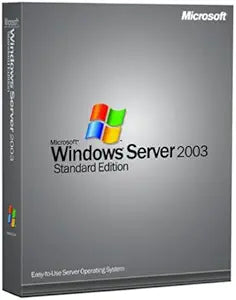
Microsoft R19-00847 Windows Terminal Server 2003 License
Remotely Execute Applications Seamlessly with Microsoft Windows Terminal Server 2003 Client Enhance productivity and accessibility with the Microsoft Windows Terminal Server 2003 Client Additional License for Users. This software allows you to remotely execute applications on a Windows-based serv...
Check availability
Affiliate Disclosure: As an Amazon Associate, Studio Supplies earns from qualifying purchases made through links on this page, at no additional cost to you. This helps support our editorial team.
Notice a mistake? Let Us Know
Overview
Remotely Execute Applications Seamlessly with Microsoft Windows Terminal Server 2003 Client
Enhance productivity and accessibility with the Microsoft Windows Terminal Server 2003 Client Additional License for Users. This software allows you to remotely execute applications on a Windows-based server from various devices over virtually any network. Perfect for organizations needing flexible access and efficient resource management.
Key Specifications:
- License Type: Client Access License (CAL)
- Number of Users: 20
- Version: Windows Server 2003
Specifications
Brand
Microsoft
Model Number
R19-00847
Product Type
License
Software Version
Windows Terminal Server 2003
Frequently Asked Questions
What specific software does this license activate?
This license activates Microsoft Windows Terminal Server 2003, enabling its use for terminal services.
Is this license for the full version of Windows Server 2003?
This license is specifically for "Windows Terminal Server 2003," which is a component or edition of Windows Server 2003 designed for terminal services.
What is the significance of a "Terminal Server" license?
A Terminal Server license permits multiple users to remotely access and run applications on a single server, centralizing resources and management.
Can this license be upgraded to a newer version of Windows Server?
This license is for the 2003 version, and typically, licenses for older operating systems do not automatically include upgrade rights to newer versions; a new license would likely be required for an upgrade.
Is Windows Terminal Server 2003 still a viable option for new deployments?
Windows Terminal Server 2003 is an older operating system, and while this license permits its use, modern deployments often opt for newer server operating systems due to enhanced security, features, and support.
Related Products


