

Microsoft
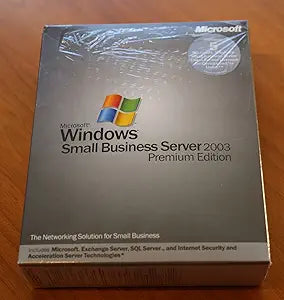
Microsoft T75-00035 Windows Small Business Server 2003
Empower Your Business with Comprehensive Server SolutionsMicrosoft Windows Small Business Server 2003 Premium Edition delivers essential networking, email, and internet connectivity, along with advanced features for data management and remote access, designed to streamline your business operation...
Check availability
Affiliate Disclosure: As an Amazon Associate, Studio Supplies earns from qualifying purchases made through links on this page, at no additional cost to you. This helps support our editorial team.
Notice a mistake? Let Us Know
Overview
Empower Your Business with Comprehensive Server Solutions
Microsoft Windows Small Business Server 2003 Premium Edition delivers essential networking, email, and internet connectivity, along with advanced features for data management and remote access, designed to streamline your business operations.
Details are limited to: Microsoft Windows Small Business Server Premium 2003 English (5 Client) [Old Version]Key Features
Get a preconfigured internal Web site based on Windows SharePoint Services
Accommodate a mobile work force through the Remote Web Workplace
Mobile users can access their information from portable devices
Updated network administration features helps your network run efficiently
Includes Windows Server 2003 and Exchange Server 2003 technology
Specifications
Product Type
Small Business Server Software
Version
2003
Included Technologies
Windows Server 2003, Exchange Server 2003
Frequently Asked Questions
What is the primary benefit of Microsoft Small Business Server 2003?
It provides a comprehensive suite for small businesses, including a preconfigured internal website with Windows SharePoint Services and robust network administration features.
Can mobile users access resources with this server software?
Yes, Microsoft Small Business Server 2003 accommodates a mobile workforce through its Remote Web Workplace feature, allowing access from portable devices.
Does this software help with network management?
The product includes updated network administration features designed to help your network run efficiently.
What core technologies are included in Small Business Server 2003?
This server software includes both Windows Server 2003 and Exchange Server 2003 technology, offering integrated services.
Is it possible to set up a collaborative internal website with this software?
Yes, you can get a preconfigured internal Web site based on Windows SharePoint Services with this product.
What kind of devices can mobile users utilize to access information?
Mobile users can access their information from portable devices, enhancing flexibility and remote work capabilities.
Related Products


