

Microsoft
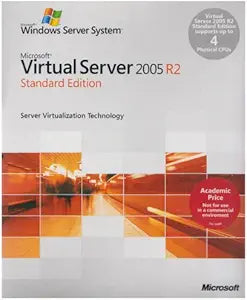
Microsoft W15-00380 Virtual Server Standard Edition
Virtual Server Standard Software Specifications: Model: W15-00380 Vendor: Microsoft
Check availability
Affiliate Disclosure: As an Amazon Associate, Studio Supplies earns from qualifying purchases made through links on this page, at no additional cost to you. This helps support our editorial team.
Notice a mistake? Let Us Know
Overview
Virtual Server Standard
Software
Specifications:
- Model: W15-00380
- Vendor: Microsoft
Specifications
Product
Virtual Server Standard Edition
Publisher
Microsoft
Frequently Asked Questions
What is Microsoft Virtual Server Standard Edition used for?
Microsoft Virtual Server Standard Edition is used for server virtualization, allowing you to run multiple virtual machines on a single physical server, which helps consolidate resources.
Is this product suitable for large enterprises?
As the "Standard Edition," it is typically designed for small to medium-sized businesses; large enterprises might require more advanced features found in higher-tier editions.
What are the main benefits of using this software?
The main benefits include efficient use of hardware resources, potential cost savings by reducing the number of physical servers, and improved flexibility in managing server workloads.
Does this software support the latest Windows Server operating systems?
The product title "Virtual Server Standard Edition" suggests it may be an older version, and specific compatibility with the latest Windows Server operating systems is not detailed.
Does this come with a specific number of virtual machine licenses?
The product description does not specify the exact licensing model or the number of virtual machines that can be run under this edition.
Related Products


