

Microsoft
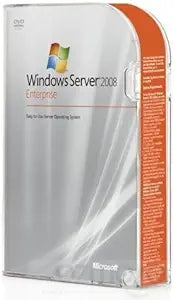
Microsoft Windows Server 2008 Enterprise - 32/64 Bit
Enhance Your Infrastructure with a Robust Server Operating SystemMicrosoft Windows Server 2008 Enterprise is engineered to drive the next generation of networks, applications, and web services. Gain control over your infrastructure, enhance technological efficiency, and increase value within your...
Check availability
Affiliate Disclosure: As an Amazon Associate, Studio Supplies earns from qualifying purchases made through links on this page, at no additional cost to you. This helps support our editorial team.
Notice a mistake? Let Us Know
Overview
Enhance Your Infrastructure with a Robust Server Operating System
Microsoft Windows Server 2008 Enterprise is engineered to drive the next generation of networks, applications, and web services. Gain control over your infrastructure, enhance technological efficiency, and increase value within your organization.
- Control and Availability: Maximize control over your infrastructure with unprecedented availability and management capabilities.
- Web-Based Experiences: Deliver rich web-based experiences efficiently with improved administration and lower infrastructure costs.
- Server Virtualization: Built-in virtualization technology to reduce costs and optimize your infrastructure.
- Security: Hardened operating system with Network Access Protection and Federated Rights Management.
- New Technologies: Includes Server Core, PowerShell, and Windows Deployment Services.
Key Features
Maximize control over your infrastructure while providing unprecedented availability and management capabilities, leading to a significantly more secure, reliable, and robust server environment than ever before
Gives you the ability to deliver rich web-based experiences efficiently and effectively, with improved administration and diagnostics, development and application tools, and lower infrastructure costs
Built-in server virtualization technology enables you to reduce costs, increase hardware utilization, optimize your infrastructure, and improve server availability
Hardened operating system and security innovations, including Network Access Protection, Federated Rights Management, and Read-Only Domain Controller, provide unprecedented levels of protection for your network, your data, and your business
New technologies and features such as Server Core, PowerShell, Windows Deployment Services, and enhanced networking and clustering technologies
Specifications
Product Type
Server Operating System
Bit Architecture
32/64 Bit
Frequently Asked Questions
What are the primary benefits of using Microsoft Windows Server 2008 Enterprise?
It offers maximized control over infrastructure, unprecedented availability and management, and a significantly more secure, reliable, and robust server environment compared to previous versions.
Does this version of Windows Server include virtualization capabilities?
Yes, it features built-in server virtualization technology, designed to reduce costs, increase hardware utilization, and optimize infrastructure.
What security features are highlighted in Windows Server 2008 Enterprise?
It includes hardened operating system security innovations such as Network Access Protection, Federated Rights Management, and Read-Only Domain Controller.
Is Windows Server 2008 Enterprise available in different architectures?
Yes, it is available in both 32-bit and 64-bit architectures to support various hardware configurations.
What new technologies were introduced with Windows Server 2008?
New technologies and features include Server Core, PowerShell, Windows Deployment Services, and enhanced networking and clustering capabilities.
Is this server operating system suitable for web hosting?
Yes, it is designed to deliver rich web-based experiences efficiently and effectively, with improved administration, diagnostics, and development tools.
What are the implications of using an older server operating system like Windows Server 2008 today?
While robust for its time, users should consider potential limitations in compatibility with the latest hardware and software, and the current status of its support lifecycle.
Related Products


