

MSI
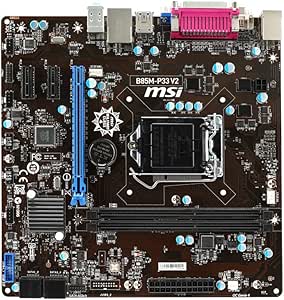
MSI B85M-P33 V2 Micro ATX LGA 1150 Motherboard
Build Your Dream PC with the MSI B85M-P33 V2 Motherboard The MSI B85M-P33 V2 is a Micro ATX motherboard designed for Intel LGA 1150 processors. It offers reliable performance and essential features for building a cost-effective desktop PC. With SATA 6Gb/s, USB 3.0, and PCI-E slots, this motherboa...
Check availability
Affiliate Disclosure: As an Amazon Associate, Studio Supplies earns from qualifying purchases made through links on this page, at no additional cost to you. This helps support our editorial team.
Notice a mistake? Let Us Know
Overview
Build Your Dream PC with the MSI B85M-P33 V2 Motherboard
The MSI B85M-P33 V2 is a Micro ATX motherboard designed for Intel LGA 1150 processors. It offers reliable performance and essential features for building a cost-effective desktop PC. With SATA 6Gb/s, USB 3.0, and PCI-E slots, this motherboard provides the connectivity and expandability you need.
Specifications:
- Socket: LGA1150
- Chipset: Intel B85
- Memory: DDR3 1600
- SATA: 6Gb/s
- USB: 3.0
- Expansion Slots: 1 PCI-E (1x16), 2 PCI-E x1
- Form Factor: Micro-ATX
Key Features
Socket LGA1150
Intel B85 chipset
Micro ATX
1 PCI-E (1x16) and 2 PCI-E x1
1 Parallel Port, 1 VGA and 1 DVI
Military Class 4 Components
Fast Boot
Military Class Essentials
Specifications
Socket Type
LGA1150
Chipset
Intel B85
Form Factor
Micro ATX
PCI-E Slots
1x (1x16), 2x (x1)
Video Outputs
1x VGA, 1x DVI
Legacy Ports
1x Parallel Port
Durability Features
Military Class 4 Components, Military Class Essentials
Performance Features
Fast Boot
Frequently Asked Questions
What CPU socket type does the MSI B85M-P33 V2 motherboard support?
The MSI B85M-P33 V2 motherboard supports the LGA 1150 socket, compatible with various Intel processors from that generation.
What is the form factor of this motherboard?
This motherboard has a Micro ATX form factor, which is suitable for building compact desktop systems.
What are "Military Class 4 Components" and how do they benefit the motherboard?
Military Class 4 Components refer to a selection of high-quality components, such as solid capacitors and chokes, designed for improved stability, durability, and reliability under various conditions.
Does this motherboard support a dedicated graphics card?
Yes, it includes one PCI-E (1x16) slot, allowing for the installation of a dedicated graphics card.
What video output options are available on this motherboard?
The MSI B85M-P33 V2 provides both a VGA and a DVI port for video output.
Can this motherboard help my computer start up faster?
Yes, it features "Fast Boot" technology, which is designed to accelerate the system startup process.
How many PCI-E expansion slots does this motherboard offer?
Beyond the primary PCI-E (1x16) slot, it also includes two PCI-E x1 slots for additional expansion cards.
Related Products

