

Price history
Panasonic
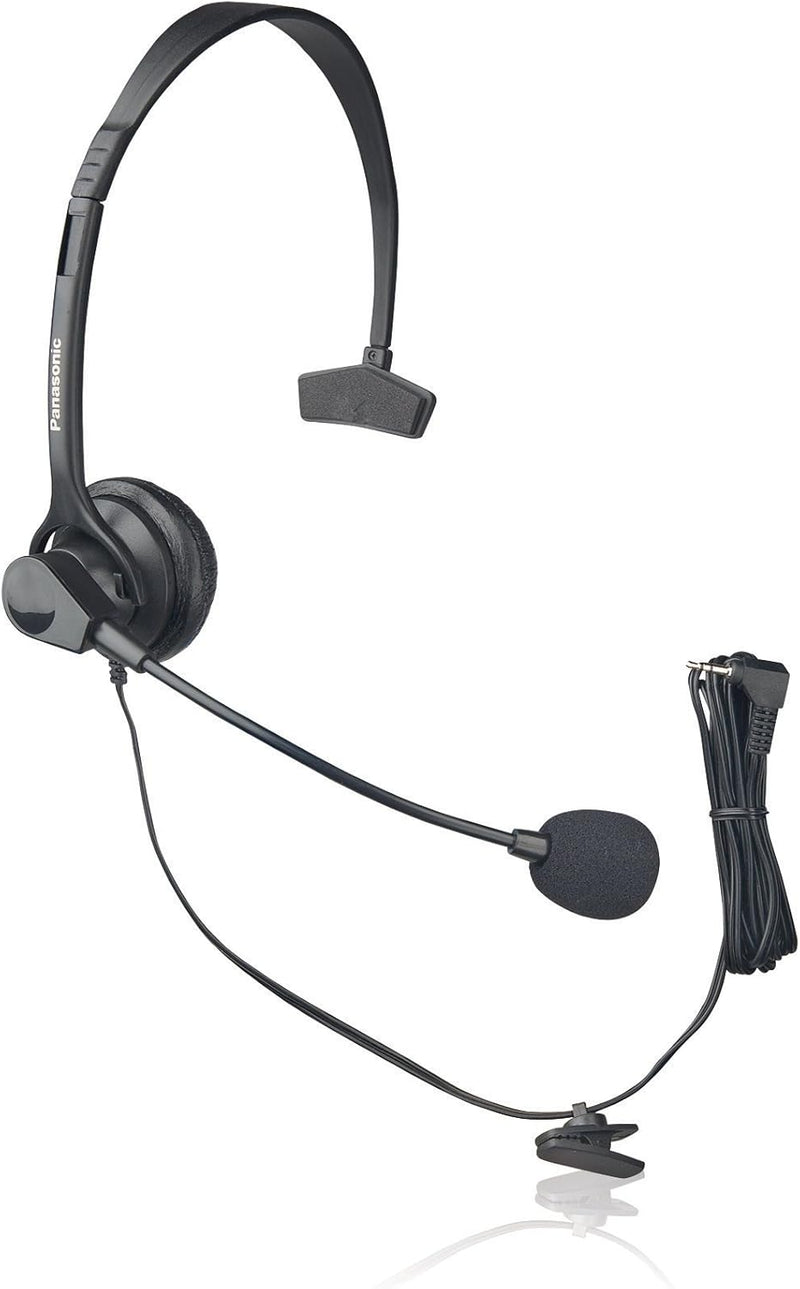
Panasonic MSCKX-TCA60 Hands-Free Headset Cordless Phones
★★★★★
A 2.5mm wired headset that keeps your hands free without sacrificing microphone placement or cord reach.
$44.95*$49.99Save 10%
View on Amazon
✓ In Stock on Amazon.com
*Price sourced from Amazon.com. Last updated:Aug 04, 2026.Price and availability are subject to change.
Affiliate Disclosure: Studio Supplies may earn a commission from qualifying purchases made through links on this page, at no additional cost to you. This helps support our editorial team.
Notice a mistake? Let Us Know
Overview
Key Features
This is an O.E.M. Authorized part
Fits with various Panasonic brand models
Oem part # KX-TCA60
Specifications
Connection
2.5mm wired jack
Microphone Style
Boom, adjustable
Cord Length
5 feet
Weight
4.8 ounces
Form Factor
On-ear, single side
Ear Compatibility
Reversible (left or right)
Noise Control
Passive
Color
Black
Frequently Asked Questions
What jack size does the KX-TCA60 require, and which cordless phones is it compatible with?
It uses a 2.5mm jack — the near-universal standard for cordless phone handsets. Any cordless phone with a 2.5mm auxiliary headset port will work; this is not a proprietary connection.
Can the headset be worn on either ear?
Yes. The ear cup and boom assembly are reversible, so left- or right-ear wear is a matter of flipping the unit. No tools required.
How far can you move from the handset while wearing this headset?
The cord itself is 5 feet long, and a lapel clip lets you route it along clothing to reduce cable interference. You're still tethered to the handset, so total mobility is bounded by wherever the handset is placed.
Does the boom microphone stay in position once adjusted?
The boom arm is adjustable for positioning but is not a stiff gooseneck — it holds a set position under normal use, though aggressive movement may shift it slightly over time.
Is there any noise cancellation built into the microphone?
The headset uses passive noise isolation only. There is no active noise cancellation circuitry. Background noise reduction depends entirely on microphone proximity and placement.
Related Products

