



QNAP
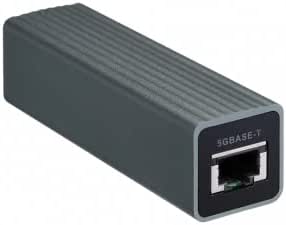
QNAP QNA-UC5G1T USB 3.0 to 5GbE Network Adapter
USB 3.0
Add 5GbE networking to any USB-C device without opening the case or swapping hardware.
$109.70*
Check availability
*Price sourced from Amazon.com. Last updated:Oct 07, 2026.Price and availability are subject to change — details.
Affiliate Disclosure: As an Amazon Associate, Studio Supplies earns from qualifying purchases made through links on this page, at no additional cost to you. This helps support our editorial team.
Notice a mistake? Let Us Know
Overview
Key Features
Usb 3.0 to single port RJ45 5GbE
5GbE/ 2.5GbE/ 1GbE/ 100MBE adapter
Fanless design
Small, sleek, and compact
Specifications
Brand
QNAP
Model
QNA-UC5G1T
Type
USB to Ethernet Adapter
Interface
USB 3.0 Type-C
Network Speed
5GbE (also supports 2.5G / 1G / 100M)
Power
Bus-powered via USB
Frequently Asked Questions
Does the QNA-UC5G1T require external power?
No, it draws power directly from the USB 3.0 Type-C port, so no additional power adapter is needed.
Can this adapter negotiate at slower speeds like 2.5GbE or 1GbE?
Yes, the adapter supports backward compatibility and can negotiate at 5G, 2.5G, 1G, and 100M speeds depending on your network infrastructure.
Will this work with a USB-A port using an adapter?
QNAP offers a separate USB-A model (QNA-UC5G1T uses Type-C). Using a passive Type-C to Type-A adapter may work but could introduce compatibility or bandwidth limitations.
What operating systems are supported?
The adapter supports Windows, macOS, and Linux, though driver installation requirements vary by platform and OS version.
Is this adapter useful if my switch only supports 1GbE?
It will still function at 1GbE speeds, but you won't see any speed improvement over a built-in gigabit port. The benefit comes when paired with a multi-gig switch or NAS that supports 5GbE or 2.5GbE.
Related Products


