

QNAP
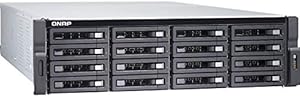
QNAP TDS-16489U-SE1-R2-US NAS Server
Unlock Unprecedented Performance and Flexibility with Dual OS NAS ServerThe QNAP TDS-16489U-SE1-R2-US NAS Server is a powerhouse designed to meet the demands of data-intensive applications. This dual CPU, dual OS server is ideal for file serving, virtualization, VDI, medium-sized data centers, vi...
Check availability
Affiliate Disclosure: As an Amazon Associate, Studio Supplies earns from qualifying purchases made through links on this page, at no additional cost to you. This helps support our editorial team.
Notice a mistake? Let Us Know
Overview
Unlock Unprecedented Performance and Flexibility with Dual OS NAS Server
The QNAP TDS-16489U-SE1-R2-US NAS Server is a powerhouse designed to meet the demands of data-intensive applications. This dual CPU, dual OS server is ideal for file serving, virtualization, VDI, medium-sized data centers, video streaming, surveillance storage, and efficient file backup and recovery. Built for demanding workloads, it offers outstanding performance for data transmission and application execution.
Specifications:
- Interface: SATA 6GB/s
- RAID Support: RAID 0
- Memory: 64 GB RAM
Key Features
Built for data-intensive applications and demanding workloads, the tds-16489u-se2-r2 is powered by a powerful processor to deliver outstanding performance for data transmission and applications.
Sata 6GB/s
Raid 0
Ram 64 GB
Specifications
Brand
QNAP
Model
TDS-16489U-SE1-R2-US
RAM
64 GB DDR4
Storage Interface
SATA 6GB/s
RAID Support
RAID 0
Frequently Asked Questions
What kind of processor powers the QNAP TDS-16489U-SE1-R2-US NAS Server?
The QNAP TDS-16489U-SE1-R2-US NAS Server is powered by a powerful processor, specifically designed for data-intensive applications and demanding workloads to ensure outstanding performance.
What is the RAM capacity of this NAS server?
This NAS server comes equipped with 64 GB of RAM, allowing it to handle substantial multitasking and complex data operations efficiently.
Does this NAS server support high-speed storage interfaces?
Yes, the QNAP TDS-16489U-SE1-R2-US supports SATA 6GB/s, which facilitates fast data transfer rates for compatible drives.
What RAID levels are supported by this NAS server?
The QNAP TDS-16489U-SE1-R2-US NAS Server supports RAID 0, which is beneficial for maximizing performance by striping data across multiple drives.
Is this server suitable for general home use or more specialized tasks?
This server is built for data-intensive applications and demanding workloads, indicating it is geared more towards professional or enterprise environments rather than typical home user needs.
Related Products
