

QNAP
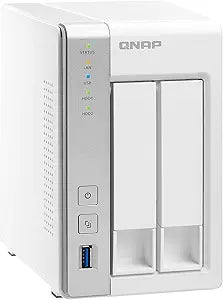
QNAP TS-231+-US Network Attached Storage NAS
1 Gb RamUsb 3.0
Centralize Your Data with the QNAP TS-231+ NAS The QNAP TS-231+ is a powerful and user-friendly network-attached storage (NAS) device. Perfect for backup, synchronization, and remote access, this NAS enhances your productivity and digital life. Specifications: Processor: ARM Cortex-A15 du...
Check availability
Affiliate Disclosure: As an Amazon Associate, Studio Supplies earns from qualifying purchases made through links on this page, at no additional cost to you. This helps support our editorial team.
Notice a mistake? Let Us Know
Overview
Centralize Your Data with the QNAP TS-231+ NAS
The QNAP TS-231+ is a powerful and user-friendly network-attached storage (NAS) device. Perfect for backup, synchronization, and remote access, this NAS enhances your productivity and digital life.
Specifications:
- Processor: ARM Cortex-A15 dual-core processor
- Memory: 1GB RAM
- Ports: 3 USB 3.0, 2 LAN
Key Features
Qnap Turbo Nas Ts-231+ Nas Server - Annapurna Labs Arm Dual-core (2 Core) 1.40 Ghz - 2 X Total Bays - 1 Gb Ram Ddr3 Sdram - Serial Ata/600 - Raid Supported Jbod, 0, 1 - 2 X 2.5/3.5 Bay - Gigabit Ethernet - Esata - Network (rj-45) - 3 X Usb Ports - 3 Usb 3.0 Port(s) - Qts 4.1 - Tcp/ip, Ipv4, Ipv6, Dhcp, Ntp, Cifs/smb, Afp 3.3, Nfsv3, Ftp, Ftps, Sftp, ... - Tower
Specifications
Brand
QNAP
Model
TS-231+-US
Processor
Annapurna Labs ARM Dual-core (2 Core)
Processor Speed
1.40 GHz
Total Bays
2
Drive Bay Size Compatibility
2.5"/3.5"
RAM
1 GB DDR3 SDRAM
RAID Support
JBOD, 0, 1
Network Interface
Gigabit Ethernet
Other Ports
eSATA, 3 x USB 3.0
Operating System
QTS 4.1
Supported Protocols
TCP/IP, IPv4, IPv6, DHCP, NTP, CIFS/SMB, AFP 3.3, NFSv3, FTP, FTPS, SFTP
Form Factor
Tower
Frequently Asked Questions
What kind of processor does the QNAP TS-231+-US NAS server have?
The QNAP TS-231+-US is equipped with an Annapurna Labs ARM Dual-core processor, running at 1.40 GHz.
How many drive bays are available in this NAS device?
This QNAP NAS server features 2 total bays, compatible with both 2.5-inch and 3.5-inch drives.
What RAID levels does the QNAP TS-231+-US support?
The TS-231+-US supports JBOD, RAID 0, and RAID 1 configurations for your storage needs.
What kind of network connectivity does this NAS offer?
It includes Gigabit Ethernet, providing fast wired network connectivity for data transfer.
Does the QNAP TS-231+-US support USB 3.0 devices?
Yes, the NAS server is equipped with three USB 3.0 ports, allowing for high-speed external peripheral connections.
Related Products
