

Seagate
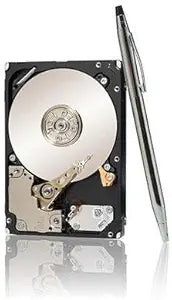
Seagate ASC518812ADA01 Savvio 600GB 10K SAS Hard Drive
High-Performance Storage for Demanding EnvironmentsThe Seagate Savvio 10K.6 enterprise hard drive delivers high capacity along with outstanding efficiency, reliability and government-grade security data protection options. The Savvio 10K.6 drive provides best-in-class performance in a small footp...
$65.00*
Check availability
*Price sourced from Amazon.com. Last updated:Oct 22, 2026.Price and availability are subject to change — details.
Affiliate Disclosure: As an Amazon Associate, Studio Supplies earns from qualifying purchases made through links on this page, at no additional cost to you. This helps support our editorial team.
Notice a mistake? Let Us Know
Overview
High-Performance Storage for Demanding Environments
The Seagate Savvio 10K.6 enterprise hard drive delivers high capacity along with outstanding efficiency, reliability and government-grade security data protection options. The Savvio 10K.6 drive provides best-in-class performance in a small footprint to help data centers meet demanding service level agreements.
- Brand: Seagate
- Model: ST600MM0026
- Capacity: 600 GB
- Form Factor: 2.5"
- Interface: SAS 6-Gb/s
- Speed: 10000 RPM
- Cache: 64MB
Key Features
Hard Drives & SSD
Server Drives SAS
Specifications
Capacity
600GB
Rotational Speed
10K RPM
Interface
SAS
Category
Server Drives
Frequently Asked Questions
What is the storage capacity of the Seagate Savvio hard drive?
The Seagate Savvio SAS hard drive offers a storage capacity of 600GB, suitable for server applications.
What is the rotational speed of this hard drive?
This hard drive operates at a high rotational speed of 10,000 RPM, contributing to faster data access and system responsiveness.
Which interface does the Seagate Savvio 600GB hard drive use?
It uses a SAS (Serial Attached SCSI) interface, which is designed for high-performance and reliable server environments.
Is this drive intended for regular desktop computers?
No, this Seagate Savvio drive is categorized as a "Server Drive SAS," indicating it is specifically designed for server and enterprise storage systems.
What are the main benefits of a 10K RPM SAS drive for server use?
A 10K RPM SAS drive like this offers improved performance for I/O intensive applications and better reliability features suitable for mission-critical server operations, compared to standard desktop drives.
Related Products
