



Seagate
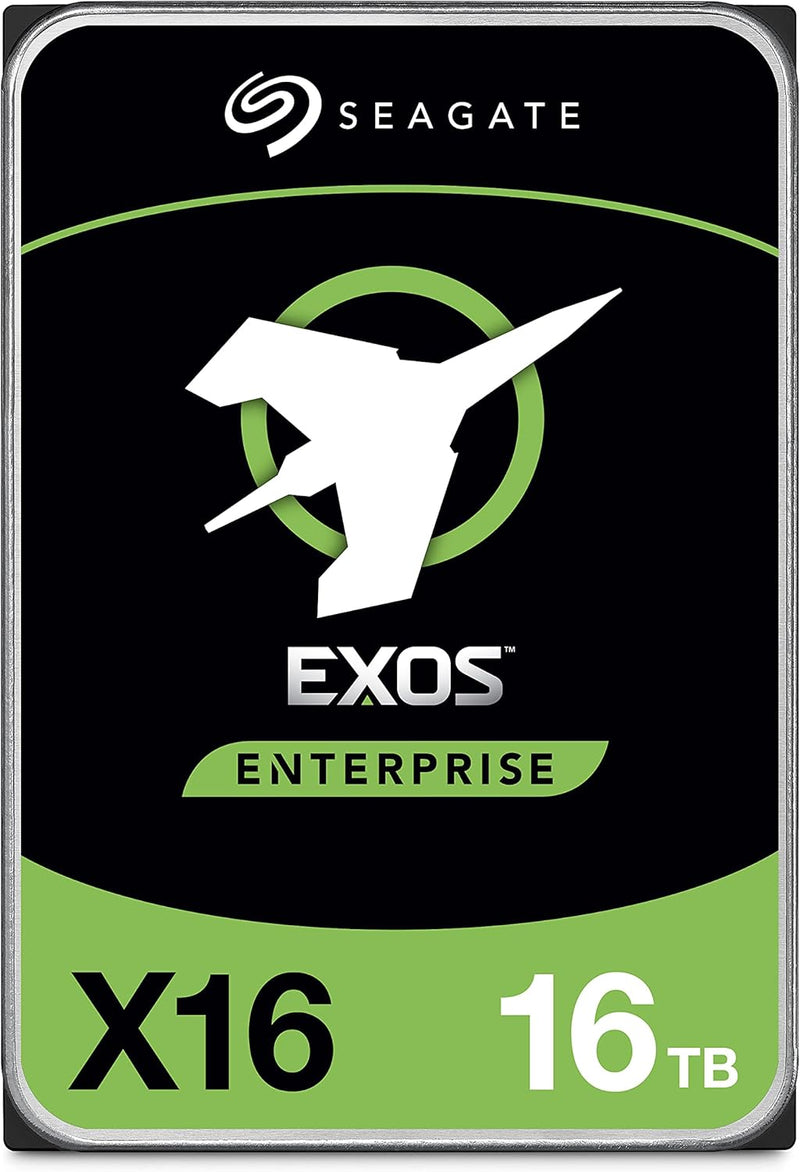
Seagate ST16000NM002G 16TB 7200RPM SAS Internal HDD
Maximize Your Storage Capacity with the Seagate 16TB HDD The Seagate 16TB HDD is designed for businesses seeking reliable, high-capacity storage. Operating at 7200RPM with a 256MB cache, this 3.5-inch SAS drive provides fast and efficient data access for demanding applications. Specifications: ...
$213.73*
Check availability
*Price sourced from Amazon.com. Last updated:Sep 04, 2026.Price and availability are subject to change — details.
Affiliate Disclosure: As an Amazon Associate, Studio Supplies earns from qualifying purchases made through links on this page, at no additional cost to you. This helps support our editorial team.
Notice a mistake? Let Us Know
Overview
Maximize Your Storage Capacity with the Seagate 16TB HDD
The Seagate 16TB HDD is designed for businesses seeking reliable, high-capacity storage. Operating at 7200RPM with a 256MB cache, this 3.5-inch SAS drive provides fast and efficient data access for demanding applications.
Specifications:
- Capacity: 16TB
- Rotational Speed: 7200RPM
- Cache: 256MB
- Interface: SAS
- Form Factor: 3.5-inch
Key Features
16TB
Specifications
Capacity
16TB
Rotational Speed
7200RPM
Interface
SAS
Form Factor
Internal HDD
Frequently Asked Questions
What is the storage capacity of the Seagate ST16000NM002G internal HDD?
This Seagate internal hard drive offers a substantial storage capacity of 16TB.
What is the rotational speed of this hard drive?
The Seagate ST16000NM002G operates at a rotational speed of 7200RPM, contributing to its performance.
What type of interface does this internal HDD use?
This hard drive uses a SAS (Serial Attached SCSI) interface, known for its performance and reliability in enterprise environments.
Is this a solid-state drive (SSD) or a traditional hard disk drive (HDD)?
This product is an internal HDD (Hard Disk Drive), not an SSD, characterized by its mechanical components and high capacity.
Does this drive require any special connectors or controllers for installation?
As a SAS drive, it typically requires a SAS controller and compatible cabling for proper integration into a system, unlike common SATA drives.
Related Products
