

Seagate
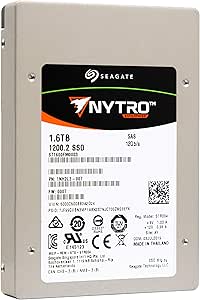
Seagate ST1600FM0003 1.6TB SAS SSD 2.5" 12GB/s
Unleash Enterprise-Class Storage PerformanceThe Seagate ST1600FM0003 is a high-performance enterprise-class solid-state drive (SSD) designed to accelerate data access and improve overall system responsiveness. With a 1.6TB capacity and a 12GB/s SAS interface, this SSD is ideal for demanding appli...
Check availability
Affiliate Disclosure: As an Amazon Associate, Studio Supplies earns from qualifying purchases made through links on this page, at no additional cost to you. This helps support our editorial team.
Notice a mistake? Let Us Know
Overview
Unleash Enterprise-Class Storage Performance
The Seagate ST1600FM0003 is a high-performance enterprise-class solid-state drive (SSD) designed to accelerate data access and improve overall system responsiveness. With a 1.6TB capacity and a 12GB/s SAS interface, this SSD is ideal for demanding applications and cloud storage systems.
- Capacity: 1.6TB
- Interface: 12GB/s SAS
- Form Factor: 2.5 Inches
Key Features
Industry-leading performance up to 1900MB/s
High-capacity solution with multiple endurance offerings
Enhanced enterprise reliability, data protection and security
Specifications
Brand
Seagate
Model
ST1600FM0003
Capacity
1.6TB
Interface
SAS 12GB/s
Form Factor
2.5"
Performance
Up to 1900MB/s
Frequently Asked Questions
What is the maximum performance of this Seagate SSD?
This Seagate SAS SSD offers industry-leading performance with speeds reported up to 1900MB/s.
What interface does this solid state drive use?
The drive uses a SAS 12GB/s interface, which is typically found in enterprise and server environments.
What is the storage capacity of the ST1600FM0003?
This particular model provides a generous storage capacity of 1.6TB.
Is this SSD suitable for a standard desktop computer?
Given its SAS 12Gb/s interface, this SSD is primarily designed for enterprise applications and servers, requiring a compatible SAS controller card.
Does this drive come with any specific reliability features?
Yes, it offers enhanced enterprise reliability, data protection, and security features for critical data storage.
Related Products
