

Seagate
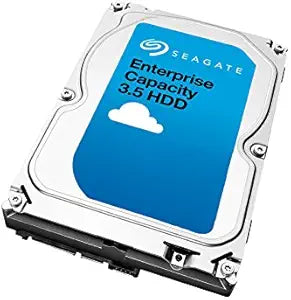
Seagate ST2000NM0065 Enterprise Capacity 2TB 3.5" HDD
Enterprise-Class Storage for Demanding WorkloadsThe Seagate Enterprise Capacity 3.5 HDD V.5 offers reliable, high-capacity storage for enterprise environments. With advanced caching technology and features like PowerBalance and PowerChoice, this hard drive delivers exceptional performance and cos...
$135.00*
Check availability
*Price sourced from Amazon.com. Last updated:Oct 21, 2026.Price and availability are subject to change — details.
Affiliate Disclosure: As an Amazon Associate, Studio Supplies earns from qualifying purchases made through links on this page, at no additional cost to you. This helps support our editorial team.
Notice a mistake? Let Us Know
Overview
Enterprise-Class Storage for Demanding Workloads
The Seagate Enterprise Capacity 3.5 HDD V.5 offers reliable, high-capacity storage for enterprise environments. With advanced caching technology and features like PowerBalance and PowerChoice, this hard drive delivers exceptional performance and cost-effectiveness.
Specifications:
- Capacity: 2 TB
- Interface: SATA 6Gb/s
- Form Factor: 3.5 inch
Key Features
Maximum capacity built for speed
World-class reliability meets high capacity
Reliable, robust bulk data storage for a 24/7 world
The available storage capacity may vary.
Specifications
Brand
Seagate
Model
ST2000NM0065
Form Factor
3.5"
Capacity
2TB
Type
Enterprise Capacity HDD
Frequently Asked Questions
Is this hard drive suitable for a home desktop computer?
This Seagate Enterprise Capacity HDD is built for 24/7 operation and maximum speed in demanding enterprise environments, meaning it is designed for server or data center use rather than typical home desktop applications.
What is the actual usable storage capacity of this 2TB drive?
The available storage capacity may vary from the listed 2TB, which is a common characteristic of storage devices; the exact usable space would be determined by the system's formatting and overhead.
Does this hard drive come with any specific software for data management?
The product features do not mention any included software for data management; it is primarily described as a physical storage component.
Can this hard drive be used in an external enclosure?
This hard drive is a 3.5" internal HDD, and while it could potentially be used in a compatible external enclosure, its primary design is for internal server or workstation installation.
What kind of reliability can be expected from this hard drive?
The Seagate ST2000NM0065 is described as having "world-class reliability" and being "robust bulk data storage for a 24/7 world," indicating a high level of dependability for continuous operation.
Related Products
