

Seagate
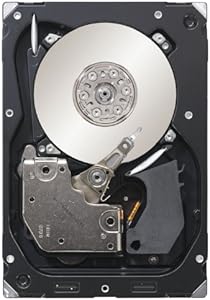
Seagate ST3450857SS 450GB Cheetah SAS 15K RPM Hard Drive
The Seagate Cheetah 15K.7 delivers enterprise-grade 15,000 RPM performance with up to 204 MB/s sustained throughput in a 450GB SAS drive.
$169.99*
View on Amazon
✓ In Stock on Amazon.com
*Price sourced from Amazon.com. Last updated:Oct 22, 2026.Price and availability are subject to change — details.
Affiliate Disclosure: As an Amazon Associate, Studio Supplies earns from qualifying purchases made through links on this page, at no additional cost to you. This helps support our editorial team.
Notice a mistake? Let Us Know
Overview
Key Features
Third-generation perpendicular recording delivers up to 600 GB
Unprecedented performance with sustained data rate of up to 204 MB/s - a 16 percent increase over last generation
Industry's highest 3.5-inch drive reliability at 1.6-million-hours MTBF
Seagate Power Trim technology provides a 62 percent improvement in GBs/W at idle over typical 3.5-inch hard drives
Read/write advances deliver no recoverable error rate of 1 x 10E16
The Seagate Cheetah 15K.
Drive power consumption is dynamically optimized at all levels of activity with Seagate's exclusive PowerTrim technology.
Specifications
Brand
Seagate
Model
ST3450857SS
Series
Cheetah 15K.7
Capacity
450GB
Interface
SAS 6Gb/s
Spindle Speed
15,000 RPM
Cache
16MB
Form Factor
3.5-Inch
Average Latency
2.0 ms
Sustained Transfer Rate
Up to 204 MB/s
MTBF
1.6 million hours
Annualized Failure Rate
0.55%
Error Rate
1 x 10^16
Similar Products
Other products from the same family that visitors often consider:
 ✓ Available
Seagate XX517 450GB 15K SAS Hard Drive
$51.00
View on Amazon → ✓ Available
Seagate ST3450857SS 450GB 15K SAS HDD (Refurbished)
$43.09
View on Amazon → ✓ Available
Seagate ST3450757SS Cheetah 15K.7 450GB SAS Renewed
View on Amazon → ✓ Available
Seagate Cheetah 15K.5 146GB SAS Hard Drive - Renewed
$51.00
View on Amazon → ✓ Available
Seagate ST3450856SS Cheetah 450GB 15K SAS HDD
$63.59
View on Amazon →Frequently Asked Questions
What interface does this drive use?
The ST3450857SS uses a SAS (Serial Attached SCSI) 6Gb/s interface, which is standard in enterprise servers and storage arrays.
What is the spindle speed, and why does it matter?
This drive spins at 15,000 RPM, which significantly reduces seek times and latency compared to 7,200 or 10,000 RPM drives, making it ideal for transaction-heavy and latency-sensitive workloads.
What is the drive's reliability rating?
Seagate rates the Cheetah 15K.7 at 1.6 million hours MTBF (Mean Time Between Failures), which is among the highest reliability ratings for 3.5-inch enterprise hard drives.
What is the sustained data transfer rate?
The drive achieves a sustained data rate of up to 204 MB/s, representing a 16 percent increase over the previous Cheetah generation.
Does this drive include any power-saving features?
Yes, Seagate's PowerTrim technology dynamically optimizes power consumption at all activity levels, delivering a 62 percent improvement in GB/W at idle compared to typical 3.5-inch drives.
Related Products
