



Seagate
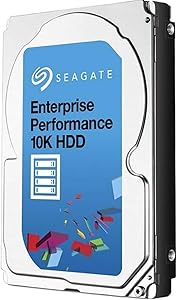
Seagate ST900MM0018 900GB 10K SAS Enterprise HDD
Seagate's 10K RPM enterprise SAS drive delivers 900GB of fast, reliable storage for mission-critical server and storage array workloads.
$135.00*
View on Amazon
✓ In Stock on Amazon.com
*Price sourced from Amazon.com. Last updated:Sep 04, 2026.Price and availability are subject to change — details.
Affiliate Disclosure: As an Amazon Associate, Studio Supplies earns from qualifying purchases made through links on this page, at no additional cost to you. This helps support our editorial team.
Notice a mistake? Let Us Know
Overview
Key Features
HIGH CAPACITY - 900GB of data and small 2.5-inch footprint enables data centers to keep pace with data growth and optimize data center real estate
HIGH PERFORMANCE - Delivers 900gb of high-performance data access for write-intensive applications
FUTURE PROOF - Long term storage solution with advanced format interface of 512e Emulation
FAST INTERFACE - Latest 12Gb/s SAS interface for improved scalability and speed
SEAGATE SECURE - Drive models (AES-256) help cut IT drive retirement costs while helping securely protect data where it lives on the drive
Specifications
Capacity
900GB
Spindle Speed
10,000 RPM
Interface
SAS 12Gb/s
Cache
128MB
Form Factor
2.5" SFF
Sector Size
512e
Similar Products
Other products from the same family that visitors often consider:
 ✓ Available
Seagate ST900MM0018 900GB 10K SAS Enterprise HDD
$296.00
View on Amazon → ✓ Available
Seagate ST9900805SS-R 900GB 2.5" SAS 10K HDD (Renewed)
$41.85
View on Amazon → ✓ Available
Seagate ST9900805SS Savvio 10K.5 900 GB SAS Hard Drive
$65.00
View on Amazon → ✓ Available
Seagate ST9900805SS 900GB Savvio 10K.5 SAS Hard Drive
$55.29
View on Amazon → ✓ Available
Seagate ST2400MM0159 2.4TB 10K SAS HDD
$427.14
View on Amazon →Frequently Asked Questions
What interface does the ST900MM0018 use, and is it compatible with SATA controllers?
This drive uses a SAS 12Gb/s interface and is not compatible with standard SATA controllers. It requires a SAS host bus adapter or a server/storage system with SAS backplane support.
What is the form factor of this drive?
It is a 2.5-inch small form factor (SFF) drive, designed to fit enterprise server drive bays and storage enclosures.
What does the 512e sector size mean?
512e (512-byte emulation) means the drive uses 4K-byte physical sectors internally but presents them as 512-byte logical sectors for compatibility with legacy operating systems and applications.
What type of workloads is this drive designed for?
It is engineered for demanding enterprise workloads such as database servers, transaction processing, virtualization hosts, and high-performance storage arrays that require fast random I/O.
Related Products
