

Seagate
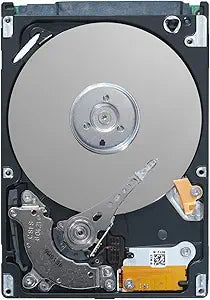
Seagate ST905003N1A1AS-RK 500GB 5400RPM SATA Hard Drive
Dependable Storage Solution: Seagate 500GB SATA Hard DriveThe Seagate ST905003N1A1AS-RK 500GB SATA Hard Drive offers a reliable and efficient storage solution for your computing needs. With a 5400RPM spindle speed and 8MB cache, this drive provides dependable performance for everyday use. Ideal f...
View price on Amazon
Affiliate Disclosure: As an Amazon Associate, Studio Supplies earns from qualifying purchases made through links on this page, at no additional cost to you. This helps support our editorial team.
Notice a mistake? Let Us Know
Overview
Dependable Storage Solution: Seagate 500GB SATA Hard Drive
The Seagate ST905003N1A1AS-RK 500GB SATA Hard Drive offers a reliable and efficient storage solution for your computing needs. With a 5400RPM spindle speed and 8MB cache, this drive provides dependable performance for everyday use. Ideal for laptops and other devices requiring compact storage.
- Capacity: 500GB
- Interface: SATA
- Spindle Speed: 5400RPM
- Cache: 8MB
Specifications
Capacity
500GB
Rotational Speed
5400RPM
Interface
SATA
Frequently Asked Questions
What is the capacity of the Seagate ST905003N1A1AS-RK hard drive?
This Seagate hard drive offers a storage capacity of 500GB, suitable for storing a variety of files and applications.
What interface does this hard drive use?
The Seagate ST905003N1A1AS-RK uses a SATA interface, providing wide compatibility with most modern computer systems.
What is the rotational speed of this hard drive?
This hard drive operates at 5400RPM, which is suitable for general storage needs, though it will offer slower performance compared to 7200RPM drives or SSDs.
Is this hard drive suitable for a laptop or desktop?
As a standard SATA hard drive, it can be compatible with both laptop and desktop systems, depending on the physical size and connector requirements of the device.
Can this hard drive be used as a primary boot drive?
While it can function as a primary boot drive, its 5400RPM speed will result in slower boot times and application loading compared to solid-state drives, which are generally preferred for primary OS drives today.
Related Products
