

Sony
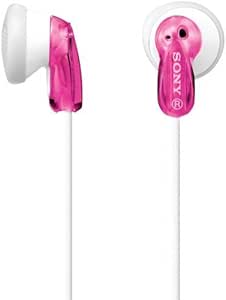
Sony MDR-E9LP/PC U Pink Earbud Headphones
Lightweight Sony pink earbuds deliver clear, comfortable sound for everyday listening on the go.
$14.99*
View on Amazon
✓ In Stock on Amazon.com
*Price sourced from Amazon.com. Last updated:Oct 08, 2026.Price and availability are subject to change — details.
Affiliate Disclosure: As an Amazon Associate, Studio Supplies earns from qualifying purchases made through links on this page, at no additional cost to you. This helps support our editorial team.
Notice a mistake? Let Us Know
Overview
Specifications
Brand
Sony
Model
MDR-E9LP/PC U
Color
Pink
Type
Earbuds
Connector
3.5mm
Frequently Asked Questions
What type of connector do the Sony MDR-E9LP earbuds use?
These earbuds use a standard 3.5mm audio jack, compatible with most devices that have a headphone port.
Are the MDR-E9LP earbuds comfortable for extended listening?
Yes, their lightweight earbud design is intended for comfortable, casual listening, though comfort may vary depending on ear size since they do not include interchangeable tips.
Do these earbuds include a microphone or inline controls?
No, the MDR-E9LP is a music-listening-only model without an inline microphone or remote controls.
Are these earbuds noise-isolating?
No, as traditional earbuds (not in-ear canal style), they rest on the outer ear and do not provide passive noise isolation.
Related Products


