



Sony
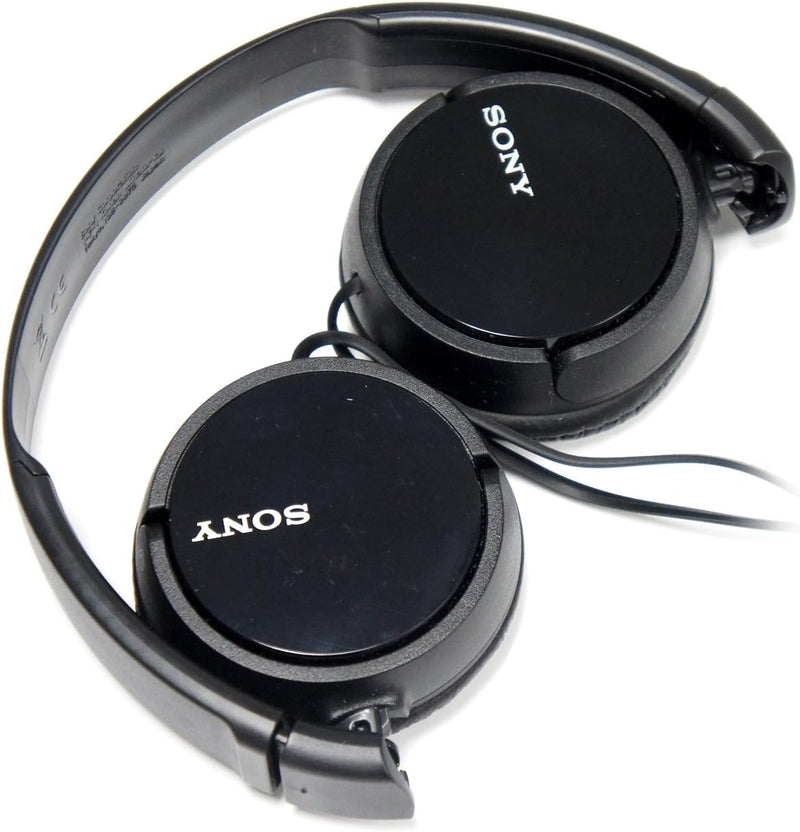
Sony MDR-ZX110 Over-Ear Stereo Headphones Black
30mm neodymium drivers spanning 12Hz–22kHz deliver a full-range frequency response in a sub-$20 foldable package built for daily commuter use.
View price on Amazon
Affiliate Disclosure: As an Amazon Associate, Studio Supplies earns from qualifying purchases made through links on this page, at no additional cost to you. This helps support our editorial team.
Notice a mistake? Let Us Know
Overview
Key Features
30mm drivers for rich, full frequency response
Lightweight and comfortable on-ear design
Swivel-design for portability
47.25-inch (1.2 m) tangle-free, Y-type cord
Specifications
Driver Size
30mm
Design
Over-Ear Stereo
Cord Length
47.25 inches (1.2 m)
Cord Type
Tangle-free, Y-type
Portability Feature
Swivel-design earcups
Frequently Asked Questions
What does the 30mm driver size mean for the MDR-ZX110's bass and treble performance?
30mm is a small driver diameter for over-ear headphones — it produces adequate mid and treble clarity but rolls off low-frequency extension compared to 40mm+ drivers common in higher-tier headphones. The published 12Hz–22kHz range reflects technical capability under optimal conditions; perceivable bass impact at the 12Hz extreme will be minimal on most consumer audio sources.
Are the MDR-ZX110 headphones compatible with smartphones via the 3.5mm plug?
The 3.5mm straight plug connects to any standard headphone jack. However, the ZX110 uses a two-conductor (OMTP or CTIA) audio-only plug — there is no inline microphone or call control button. Calls require using the phone's speaker or a separate headset.
Does the closed-back design provide meaningful passive noise isolation?
The closed-back earcups provide light passive isolation — sufficient to reduce ambient noise in a quiet office or on a bus. However, the lightweight plastic construction and foam earpads are not designed for audiophile-grade isolation; they will not meaningfully block loud environments like construction sites or aircraft cabins.
How does the swivel-folding design affect the MDR-ZX110's portability in a bag?
Each earcup rotates flat independently, allowing the headphones to fold into a compact profile that fits in the top pocket of a backpack or a medium-sized tote. There is no included carry case — loose transport in a bag will accumulate wear on the plastic hinges over time.
What is the cable length and construction, and does it tangle easily?
The cable measures 47.25 inches (1.2m), which is sufficient for seated desk or commute use but may be short for connecting to a home stereo receiver. Sony describes it as tangle-free with a Y-type configuration; in practice, the thin cable resists severe tangling but is not as tangle-resistant as a flat ribbon cable design.
Related Products

