



Sony
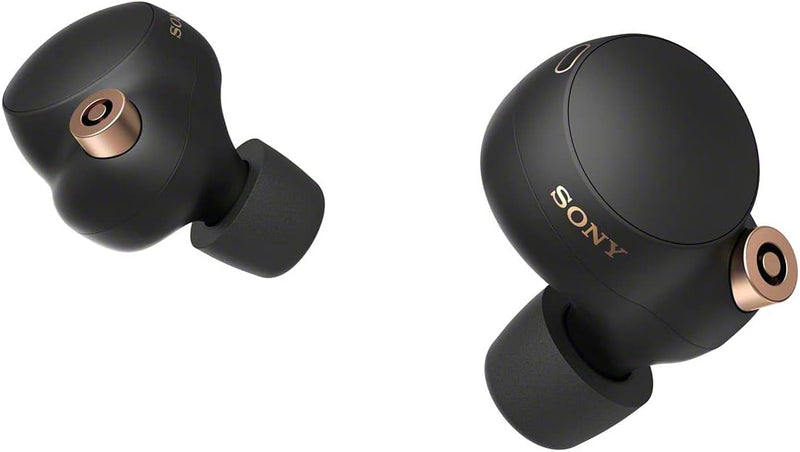
Sony WF1000XM4 Noise Cancelling Wireless Earbuds Black
Bluetooth 5.2
Sony WF-1000XM4 wireless earbuds deliver industry-leading noise cancellation with LDAC hi-res audio and IPX4 water resistance.
$168.59*
Check availability
*Price sourced from Amazon.com. Last updated:Oct 07, 2026.Price and availability are subject to change — details.
Affiliate Disclosure: As an Amazon Associate, Studio Supplies earns from qualifying purchases made through links on this page, at no additional cost to you. This helps support our editorial team.
Notice a mistake? Let Us Know
Overview
Key Features
Tune into exceptional sound quality with Sony’s Industry leading noise cancelling technology. Powered by the new Integrated Processor V1, a superior driver unit and an array of sound enhancing features, experience every word, note, and tune with incredible clarity, no matter your environment.
Specially developed by Sony, our new Integrated Processor V1 delivers the industry’s highest level of noise cancelling without sacrificing battery life, while the newly designed 6mm driver offers crystal clear sound, rich bass and an enhanced noise cancelling wireless headphone experience, even at low frequencies.
Experience high resolution audio wireless with Bluetooth 5.2 and the power of LDAC, a technology that transmits 3X more data than a conventional set of Bluetooth earbuds allowing you to enjoy sound as close as possible to that of a dedicated wired connection.
Specifications
Brand
Sony
Model
WF-1000XM4
Noise Cancellation
Active Noise Cancellation (Integrated Processor V1)
Audio Codec
LDAC
Bluetooth
5.2
Driver Size
6mm
Impedance
8 Ohm
Microphone
Beamforming + Bone-Conduction Sensor
Water Resistance
IPX4
Charging
Qi Wireless Charging
Voice Assistants
Alexa, Google Assistant
Control
App, Voice
Color
Black/Copper
Frequently Asked Questions
What type of noise cancellation do the WF-1000XM4 earbuds use?
They use active noise cancellation powered by Sony's Integrated Processor V1, which analyzes ambient sound in real time and generates a cancelling signal to suppress background noise.
Are the WF-1000XM4 earbuds water resistant?
Yes, they carry an IPX4 rating, which means they can withstand splashes and sweat during workouts, but they are not designed for submersion or heavy rain.
How do the WF-1000XM4 handle phone calls?
They use a beamforming microphone combined with a bone-conduction sensor to isolate your voice from background noise, resulting in clearer call quality for the listener on the other end.
Do these earbuds support wireless charging?
Yes, the charging case supports Qi wireless charging, so you can top up by placing it on any compatible wireless charging pad without connecting a cable.
What audio codecs do the WF-1000XM4 support?
They support LDAC, Sony's high-resolution audio codec, which transmits up to three times more data than standard Bluetooth audio for richer, more detailed sound from compatible devices.
Related Products


