

Synology
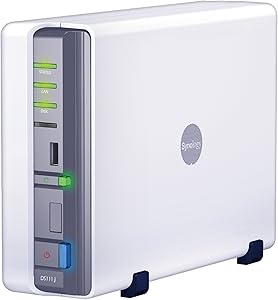
Synology DS111 DiskStation 1-Bay NAS (Diskless)
Centralize Your Data with EaseThe Synology DiskStation DS111 is a single-bay network-attached storage (NAS) device designed to simplify file sharing and data management. Ideal for small office workgroups, it offers cross-platform compatibility, office-oriented applications, and robust data backup...
Check availability
Affiliate Disclosure: As an Amazon Associate, Studio Supplies earns from qualifying purchases made through links on this page, at no additional cost to you. This helps support our editorial team.
Notice a mistake? Let Us Know
Overview
Centralize Your Data with Ease
The Synology DiskStation DS111 is a single-bay network-attached storage (NAS) device designed to simplify file sharing and data management. Ideal for small office workgroups, it offers cross-platform compatibility, office-oriented applications, and robust data backup and security features, all running on the user-friendly DiskStation Manager (DSM) operating system.
- Brand: Synology
- Model: DS111
- Type: 1-Bay NAS (Diskless)
- Operating System: DiskStation Manager (DSM)
- Features: Cross-platform file sharing, Data backup and security
Key Features
Optimal Price/Performance Ratio
Windows+Mac+Linux Cross Platform File Sharing
Convenient Server Functionality
Effortless File Backup
Peace of Mind with AES 256-bit Share-level encryption
Specifications
Bays
1-Bay
Drives Included
Diskless
Encryption
AES 256-bit Share-level encryption
File Sharing Support
Windows, Mac, Linux Cross Platform
Frequently Asked Questions
Does the Synology DS111 DiskStation come with hard drives included?
No, the Synology DS111 DiskStation is a diskless NAS, meaning hard drives must be purchased separately.
What operating systems are compatible with this NAS for file sharing?
This NAS supports cross-platform file sharing for Windows, Mac, and Linux environments.
What security features does the DS111 offer for data protection?
It provides peace of mind with AES 256-bit share-level encryption, enhancing the security of your stored data.
Can this NAS be used for backing up files?
Yes, the Synology DS111 is designed for effortless file backup, helping to protect your important data.
Is this a multi-bay NAS for more storage capacity?
No, this is a 1-bay NAS, which means it supports a single hard drive and has limited capacity expansion.
Does this NAS offer server functionalities?
Yes, it provides convenient server functionality for centralized file management and other network services.
What kind of performance can I expect from this NAS?
The Synology DS111 DiskStation is designed to offer an optimal price/performance ratio, providing efficient network storage for its class.
Related Products
