

Synology
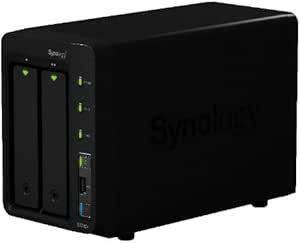
Synology DS712+ 2-Bay DiskStation NAS (Diskless)
Centralize Your Data with the Synology DiskStation DS712+ The Synology DiskStation DS712+ is a versatile 2-bay network-attached storage solution designed for small and medium-sized businesses. Offering high-performance data protection and simplified management, the DS712+ allows you to centralize...
Check availability
Affiliate Disclosure: As an Amazon Associate, Studio Supplies earns from qualifying purchases made through links on this page, at no additional cost to you. This helps support our editorial team.
Notice a mistake? Let Us Know
Overview
Centralize Your Data with the Synology DiskStation DS712+
The Synology DiskStation DS712+ is a versatile 2-bay network-attached storage solution designed for small and medium-sized businesses. Offering high-performance data protection and simplified management, the DS712+ allows you to centralize your data efficiently and scale storage capacity with ease.
Specifications:
- Model: DS712+
- Number of Bays: 2
- Diskless: Yes
- Compatibility: Mac, PC
Key Features
180.91MB/sec Reading, 105.59MB/sec Writing
2 LAN with Failover and Link Aggregation Support
Small yet Scalable, up to 7 Drives with Synology DX510
iSCSI Support as Virtualization Solution
Running on Synology DiskStation Manager (DSM)
Specifications
Brand
Synology
Model Name
DS712+ DiskStation
Drive Bays
2-Bay (Diskless)
Read Speed
180.91MB/sec
Write Speed
105.59MB/sec
LAN Ports
2
LAN Features
Failover, Link Aggregation
Scalability
Up to 7 Drives (with Synology DX510)
Virtualization Support
iSCSI
Operating System
Synology DiskStation Manager (DSM)
Frequently Asked Questions
Is the Synology DS712+ suitable for a small business environment?
Yes, the Synology DS712+ is well-suited for a small business environment, offering robust data transfer speeds, network redundancy with Link Aggregation, and scalability options, all managed through the intuitive Synology DSM.
What is the benefit of having 2 LAN ports with Failover and Link Aggregation?
The 2 LAN ports with Failover provide network redundancy, ensuring continuous network access even if one port fails. Link Aggregation combines the bandwidth of both ports, offering increased data transfer speeds and improved performance.
Does the DS712+ come with hard drives included?
No, the Synology DS712+ is sold as a "DiskStation NAS (Diskless)," meaning that hard drives are not included and must be purchased separately to operate the device.
How easy is it to expand the storage capacity beyond the initial 2 bays?
The DS712+ offers excellent scalability, allowing you to expand up to 7 drives by connecting a Synology DX510 expansion unit, providing a straightforward way to increase storage as your needs grow.
What is Synology DiskStation Manager (DSM) and what does it offer?
Synology DiskStation Manager (DSM) is an intuitive, web-based operating system that runs on Synology NAS devices. It provides a rich set of features for file management, backup, multimedia streaming, and numerous applications, making the NAS versatile and user-friendly.
Related Products
