

Thermaltake
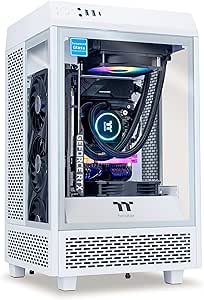
Thermaltake TW1S-B550-37i-LCS Reactor 370T Snow Gaming PC
Dominate the Game with Thermaltake Reactor 370T Snow Gaming PCPower your gaming sessions with the Thermaltake Reactor 370T Snow AIO Liquid Cooled Gaming PC. Equipped with an AMD Ryzen™ 5 processor, high-speed memory, and an NVIDIA® GeForce RTX™ graphics card, this compact powerhouse delivers exce...
View price on Amazon
Affiliate Disclosure: As an Amazon Associate, Studio Supplies earns from qualifying purchases made through links on this page, at no additional cost to you. This helps support our editorial team.
Notice a mistake? Let Us Know
Overview
Dominate the Game with Thermaltake Reactor 370T Snow Gaming PC
Power your gaming sessions with the Thermaltake Reactor 370T Snow AIO Liquid Cooled Gaming PC. Equipped with an AMD Ryzen™ 5 processor, high-speed memory, and an NVIDIA® GeForce RTX™ graphics card, this compact powerhouse delivers exceptional gaming performance.
- Processor: AMD Ryzen™ 5 5600X 6-core
- Memory: DDR4 3600Mhz 16GB RGB
- Graphics: NVIDIA® GeForce RTX™ 3070Ti
- Storage: 1TB NVMe M.2
- Connectivity: WiFi
- Operating System: Windows 10 Home
Specifications
Model
Reactor 370T Snow Gaming PC
Brand
Thermaltake
Color
Snow (implied by title)
Frequently Asked Questions
What kind of processor is included in the Thermaltake Reactor 370T Snow Gaming PC?
The specific processor model is not detailed in the provided product title or features, but it is configured as a gaming PC.
How much RAM does the Reactor 370T Gaming PC come with?
The amount of RAM included with the Thermaltake Reactor 370T Snow Gaming PC is not specified in the available information.
What type of graphics card is featured in this gaming PC?
The graphics card model is not explicitly stated in the provided product details for the Thermaltake Reactor 370T Snow Gaming PC.
Does the "LCS" in the product title mean it has liquid cooling?
"LCS" typically stands for Liquid Cooling System; however, the provided features do not offer further details on the specific liquid cooling implementation in the Reactor 370T.
What kind of storage options are available in this Thermaltake gaming desktop?
The product description does not specify the type or capacity of storage included with the Thermaltake TW1S-B550-37i-LCS Reactor 370T Snow Gaming PC.
Related Products


