

Toshiba
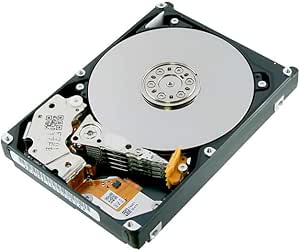
Toshiba AL15SEB030N 300GB 2.5" SAS 10.5K Hard Drive
High-Performance Storage for Demanding Applications The Toshiba AL15SEB Series AL15SEB030N hard drive delivers exceptional performance and reliability for enterprise environments. With a capacity of 300 GB, a SAS 12Gb/s interface, and a rotational speed of 10500 RPM, this 2.5" internal drive is d...
$108.23*
View on Amazon
✓ In Stock on Amazon.com
*Price sourced from Amazon.com. Last updated:Aug 27, 2026.Price and availability are subject to change — details.
Affiliate Disclosure: As an Amazon Associate, Studio Supplies earns from qualifying purchases made through links on this page, at no additional cost to you. This helps support our editorial team.
Notice a mistake? Let Us Know
Overview
High-Performance Storage for Demanding Applications
The Toshiba AL15SEB Series AL15SEB030N hard drive delivers exceptional performance and reliability for enterprise environments. With a capacity of 300 GB, a SAS 12Gb/s interface, and a rotational speed of 10500 RPM, this 2.5" internal drive is designed for demanding applications that require high-speed data access. The 128 MB buffer ensures smooth and efficient data transfer.
Specifications:
- Series: AL15SEB Series
- Model: AL15SEB030N
- Capacity: 300 GB
- Form Factor: 2.5"
- Interface: SAS 12Gb/s
- Rotational Speed: 10500 RPM
- Buffer Memory: 128 MB
- Type: Internal Hard Drive
Key Features
AL15SEB030N
Specifications
Brand
Toshiba
Model
AL15SEB030N
Capacity
300GB
Form Factor
2.5"
Interface
SAS
Spindle Speed
10.5K RPM
Similar Products
Other products from the same family that visitors often consider:
 ✓ Available
Toshiba MK3001GRRB 300GB 15K SAS Hard Drive
View on Amazon → ✓ Available
Toshiba AL14SEB12EQ 1.2TB 10.5K SAS Hard Drive
$159.00
View on Amazon → Currently Unavailable
Toshiba AL14SEB06EQ 600GB 10.5K SAS HDD
Check on Amazon → ✓ Available
Toshiba AL13SEB900 900GB 2.5" SAS Internal Hard Drive
$72.91
View on Amazon → ✓ Available
Toshiba AL14SEB18EP 1.8TB 12Gb/s SAS Hard Drive
$295.99
View on Amazon →Frequently Asked Questions
What is the storage capacity of the Toshiba AL15SEB030N hard drive?
The Toshiba AL15SEB030N hard drive offers a storage capacity of 300GB.
What type of interface does this Toshiba hard drive use?
This hard drive uses a SAS (Serial Attached SCSI) interface, which is commonly found in enterprise and server environments.
What is the rotational speed (RPM) of this hard drive?
The Toshiba AL15SEB030N operates at a fast spindle speed of 10.5K RPM, contributing to quicker data access.
What is the physical size or form factor of this hard drive?
This hard drive has a 2.5" form factor, making it suitable for compact server and storage solutions.
Is this hard drive suitable for a standard desktop computer?
Due to its SAS interface, this hard drive is primarily designed for server and enterprise applications and would require a compatible SAS controller for use in a desktop.
Related Products
