

Toshiba
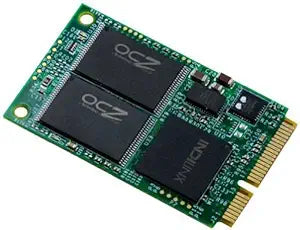
Toshiba STR-MSATA-30G 30GB mSATA SSD
Compact and Efficient Solid State StorageThe OCZ Technology 30 GB Strata Series mSATA SSD is a compact and cost-effective storage solution for notebooks and desktop systems. Offering solid-state performance in a small form factor, this drive is ideal for upgrading storage in space-constrained env...
View price on Amazon
Affiliate Disclosure: As an Amazon Associate, Studio Supplies earns from qualifying purchases made through links on this page, at no additional cost to you. This helps support our editorial team.
Notice a mistake? Let Us Know
Overview
Compact and Efficient Solid State Storage
The OCZ Technology 30 GB Strata Series mSATA SSD is a compact and cost-effective storage solution for notebooks and desktop systems. Offering solid-state performance in a small form factor, this drive is ideal for upgrading storage in space-constrained environments.
Specifications
- Capacity: 30 GB
- Interface: SATA II 3.0 Gb-s
- Form Factor: Slim mSATA
Key Features
NAND Flash Components: 2Xnm Multi-Level Cell (MLC) NAND Flash Memory, Interface: SATA II 3Gbp/s, Form Factor: mSATA
Life Expectancy: 1 million hours Mean Time Before Failure (MTBF), Operating System: Windows XP 32-Bit and 64-Bit; Windows Vista 32-Bit & 64 Bit; Windows 7 32-Bit and 64-Bit
Max Read: up to 125MB/s, Max Write: up to 40 MB/s, 4KB Random Write: I/O Per Second (IOPS): 750 IOPS,4KB Random Read: I/O Per Second (IOPS): 11,000 IOPS
NAND Flash Components: 2Xnm Multi-Level Cell (MLC) NAND Flash Memory, Interface: SATA II 3Gbp/s, Form Factor: mSATA
Life Expectancy: 1 million hours Mean Time Before Failure (MTBF), Operating System: Windows XP 32-Bit and 64-Bit; Windows Vista 32-Bit & 64 Bit; Windows 7 32-Bit and 64-Bit
Max Read: up to 125MB/s, Max Write: up to 40 MB/s, 4KB Random Write: I/O Per Second (IOPS): 750 IOPS,4KB Random Read: I/O Per Second (IOPS): 11,000 IOPS
Specifications
Capacity
30GB
NAND Flash Components
2Xnm Multi-Level Cell (MLC) NAND Flash Memory
Interface
SATA II 3Gbp/s
Form Factor
mSATA
Life Expectancy
1 million hours Mean Time Before Failure (MTBF)
Max Sequential Read
up to 125MB/s
Max Sequential Write
up to 40 MB/s
4KB Random Write IOPS
750 IOPS
4KB Random Read IOPS
11,000 IOPS
Operating System Support
Windows XP (32/64-Bit), Windows Vista (32/64-Bit), Windows 7 (32/64-Bit)
Frequently Asked Questions
What is the storage capacity of this Toshiba mSATA SSD?
This SSD offers a storage capacity of 30GB, making it suitable for boot drives or specific applications requiring minimal space.
What interface does this SSD use?
It uses a SATA II 3Gbp/s interface, which is a common connection standard for mSATA form factor drives.
Is this SSD compatible with modern operating systems?
The listed compatibility includes Windows XP, Vista, and 7 (both 32-Bit and 64-Bit). Newer operating systems may also work, but are not explicitly listed.
What is the expected lifespan of this SSD?
This SSD has a Mean Time Before Failure (MTBF) of 1 million hours, indicating a high level of reliability and durability.
How fast are the read and write speeds of this SSD?
It offers a maximum sequential read speed of up to 125MB/s and a maximum sequential write speed of up to 40 MB/s.
What type of NAND Flash Memory does it use?
It utilizes 2Xnm Multi-Level Cell (MLC) NAND Flash Memory, known for its balance of performance and endurance.
Related Products


