

TP-Link
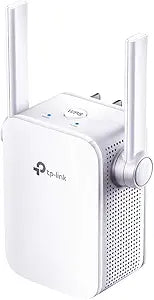
TP-Link N300 RE105 WiFi Extender Signal Booster Renewed
Extend Your WiFi Coverage ReliablyThe TP-Link N300 WiFi Extender (RE105) boosts your existing WiFi coverage to eliminate dead zones and improve connectivity throughout your home. This renewed device features external antennas for enhanced range and supports access point mode, providing a versatil...
$12.50*$19.99Save 37%
View on Amazon
✓ In Stock on Amazon.com
*Price sourced from Amazon.com. Last updated:Oct 25, 2026.Price and availability are subject to change — details.
Affiliate Disclosure: As an Amazon Associate, Studio Supplies earns from qualifying purchases made through links on this page, at no additional cost to you. This helps support our editorial team.
Notice a mistake? Let Us Know
Overview
Extend Your WiFi Coverage Reliably
The TP-Link N300 WiFi Extender (RE105) boosts your existing WiFi coverage to eliminate dead zones and improve connectivity throughout your home. This renewed device features external antennas for enhanced range and supports access point mode, providing a versatile solution for expanding your network. Easy to set up and manage, it's an excellent choice for improving WiFi performance.
- WiFi Standard: 2.4GHz Only.
- Antennas: 2 External Antennas.
- Modes: WiFi Repeater, Access Point.
- Ethernet Port: Fast Ethernet Port.
- Setup: Easy setup with TP-Link Tether app.
Specifications
Model Number
RE105
WiFi Standard
N300
Function
WiFi Extender, Signal Booster
Condition
Renewed
Frequently Asked Questions
What is the primary function of the TP-Link N300 RE105?
The TP-Link N300 RE105 functions as a WiFi extender and signal booster, designed to expand your existing WiFi coverage.
What does the "N300" in the model name signify?
N300 refers to the wireless standard and theoretical maximum speed, indicating it offers up to 300 Mbps, suitable for general internet use.
Is this a new product or a renewed one?
This TP-Link N300 RE105 WiFi Extender is a renewed product.
Can this device create a new WiFi network?
No, it is designed to extend your current WiFi signal, not to create a completely new, independent network.
Will this extender improve my internet speed?
This extender boosts signal strength and coverage, which can lead to more consistent speeds in dead zones, but it will not increase your internet service provider's maximum speed.
Related Products


