

TP-Link
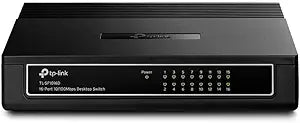
TP-Link TL-SF1016D 16-Port 10/100 Desktop Switch
Reliable Network Connectivity for Small BusinessesThe TP-Link TL-SF1016D Desktop Switch provides a cost-effective solution for expanding your network. With 16 Fast Ethernet ports and plug-and-play functionality, this switch offers simple and reliable connectivity for small businesses and home off...
$4.82*
Check availability
*Price sourced from Amazon.com. Last updated:Aug 31, 2026.Price and availability are subject to change — details.
Affiliate Disclosure: As an Amazon Associate, Studio Supplies earns from qualifying purchases made through links on this page, at no additional cost to you. This helps support our editorial team.
Notice a mistake? Let Us Know
Overview
Reliable Network Connectivity for Small Businesses
The TP-Link TL-SF1016D Desktop Switch provides a cost-effective solution for expanding your network. With 16 Fast Ethernet ports and plug-and-play functionality, this switch offers simple and reliable connectivity for small businesses and home offices.
- TP-Link 16 Port FE Desktop Switch (TL-SF1016D)
Key Features
TP-Link TL-SF1016D Network 16Port 10/100M Desktop Switch RJ45 Port Plastic RTL (TL-SF1016D)
TP-Link TL-SF1016D
Specifications
Number of Ports
16
Port Type
RJ45
Ethernet Speed
10/100M
Design
Desktop Switch
Casing Material
Plastic
Frequently Asked Questions
How many ports does the TP-Link TL-SF1016D switch have?
The TP-Link TL-SF1016D is a 16-port desktop switch, providing ample connections for expanding your network.
What are the supported network speeds of this switch?
This switch supports 10/100M Ethernet speeds, making it suitable for standard networking tasks.
Is this a managed or unmanaged switch?
Based on the "Desktop Switch" and lack of features indicating management, it operates as an unmanaged switch, offering plug-and-play simplicity.
What type of port connectors does the TL-SF1016D use?
The switch utilizes standard RJ45 ports for all 16 connections.
What is the physical design and material of this network switch?
The TL-SF1016D is a desktop switch with a plastic casing, designed for easy placement on a desk or shelf.
Related Products


