

TP-Link
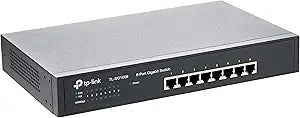
TP-Link TL-SG1008 8-Port Gigabit Ethernet Unmanaged Switch
Effortless Gigabit Networking for Home and Office The TP-Link TL-SG1008 8-Port Gigabit Ethernet Switch provides a simple and cost-effective solution for upgrading your network to Gigabit speeds. With its plug-and-play design and sturdy metal housing, this unmanaged switch is ideal for both deskto...
View price on Amazon
Affiliate Disclosure: As an Amazon Associate, Studio Supplies earns from qualifying purchases made through links on this page, at no additional cost to you. This helps support our editorial team.
Notice a mistake? Let Us Know
Overview
Effortless Gigabit Networking for Home and Office
The TP-Link TL-SG1008 8-Port Gigabit Ethernet Switch provides a simple and cost-effective solution for upgrading your network to Gigabit speeds. With its plug-and-play design and sturdy metal housing, this unmanaged switch is ideal for both desktop and rackmount deployments. Enjoy reliable performance and energy-efficient operation for all your networking needs.
Specifications:
- Ports: 8 x 10/100/1000Mbps RJ45 Ports
- Switching Capacity: 16Gbps
- Features: Plug and Play, Auto MDI/MDIX
- Housing: Metal
- Mounting: Desktop/Rackmount
Specifications
Device Type
Unmanaged Switch
Ethernet Ports
8
Ethernet Type
Gigabit Ethernet
Brand
TP-Link
Frequently Asked Questions
Is this switch difficult to set up for someone without much networking experience?
No, the TP-Link TL-SG1008 is an unmanaged, plug-and-play switch, meaning you simply connect your devices and power it on for it to function immediately without any complex configuration.
Can this switch handle high-bandwidth activities like streaming 4K video or online gaming?
Yes, with eight Gigabit Ethernet ports, the TL-SG1008 supports data transfer rates up to 1000 Mbps on each port, which is sufficient for high-bandwidth activities.
Does this switch require any specific software to operate?
No, as an unmanaged switch, the TL-SG1008 operates without the need for any additional software installation or configuration.
Is this product suitable for expanding a small business network?
The TP-Link TL-SG1008 can expand a small business wired network by adding more ports, but it lacks advanced management features that larger, more complex business networks might require.
Does this switch support Power over Ethernet (PoE) for connected devices?
The provided information does not indicate that the TP-Link TL-SG1008 supports Power over Ethernet (PoE), suggesting it only provides data connectivity.
Related Products


