

TP-Link
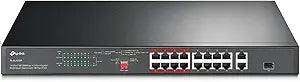
TP-Link TL-SL1218P 16-Port Gigabit PoE+ Switch
Reliable Network Expansion with PoE+ SupportThe TP-Link TL-SL1218P is a 16-Port Fast Ethernet Rackmount PoE+ Switch designed to provide reliable and efficient network connectivity. With 16 PoE+ enabled ports, this switch can supply power and data to devices like IP cameras and VoIP phones. It als...
View price on Amazon
Affiliate Disclosure: As an Amazon Associate, Studio Supplies earns from qualifying purchases made through links on this page, at no additional cost to you. This helps support our editorial team.
Notice a mistake? Let Us Know
Overview
Reliable Network Expansion with PoE+ Support
The TP-Link TL-SL1218P is a 16-Port Fast Ethernet Rackmount PoE+ Switch designed to provide reliable and efficient network connectivity. With 16 PoE+ enabled ports, this switch can supply power and data to devices like IP cameras and VoIP phones. It also features 2 Gigabit ports for high-speed uplinks. The extended transmission range of up to 250 meters in Extend Mode makes it ideal for large installations. Its fanless design ensures quiet operation and the shielded RJ-45 ports provide stable performance.
Key Features
TL-SL1218P
Specifications
Model
TL-SL1218P
Port Count
16
Port Type
Gigabit PoE+
Product Type
Switch
Frequently Asked Questions
What does PoE+ mean for the TP-Link TL-SL1218P switch?
PoE+ (Power over Ethernet Plus) means this switch can provide up to 30W of power per port, allowing it to power more demanding devices like advanced IP cameras, wireless access points, and VoIP phones over the Ethernet cable.
How many devices can this switch power simultaneously?
The switch has 16 Gigabit PoE+ ports, but the total number of devices it can power depends on the overall power budget of the switch and the power requirements of each connected device, which is not specified.
Is the TP-Link TL-SL1218P a managed or unmanaged switch?
The provided product description does not specify whether the TL-SL1218P is a managed or unmanaged switch. This information is crucial for understanding its configuration capabilities.
Can this switch connect to fiber optic cables?
The product description only specifies "16-Port Gigabit PoE+," and does not mention any SFP or SFP+ slots for fiber optic connections.
What are the main uses for a 16-port Gigabit PoE+ switch?
A 16-port Gigabit PoE+ switch like the TL-SL1218P is primarily used to connect and power multiple network devices such as IP cameras, wireless access points, and VoIP phones in small to medium-sized networks, ensuring both data and power delivery.
Related Products


