

TP-Link
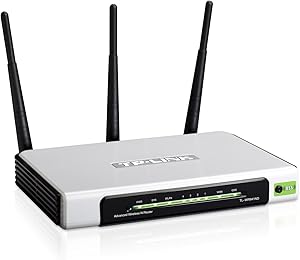
TP-Link TL-WR941ND N450 Wireless Wi-Fi Router
Reliable Wireless Connectivity for Your Home Network The TP-Link TL-WR941ND is a wireless router designed to provide reliable and fast Wi-Fi connectivity for your home network. With its 3 antennas and 450Mbps speed, this router ensures seamless internet access for all your devices. Specificatio...
$139.99*
View on Amazon
✓ In Stock on Amazon.com
*Price sourced from Amazon.com. Last updated:Oct 23, 2026.Price and availability are subject to change — details.
Affiliate Disclosure: As an Amazon Associate, Studio Supplies earns from qualifying purchases made through links on this page, at no additional cost to you. This helps support our editorial team.
Notice a mistake? Let Us Know
Overview
Reliable Wireless Connectivity for Your Home Network
The TP-Link TL-WR941ND is a wireless router designed to provide reliable and fast Wi-Fi connectivity for your home network. With its 3 antennas and 450Mbps speed, this router ensures seamless internet access for all your devices.
Specifications:
- Brand: TP-Link
- Model: TL-WR941ND
- Wireless Speed: 450Mbps
- Antennas: 3 x 3dBi
Key Features
300Mbps wireless speed is ideal for interruption sensitive applications like HD video streaming
Three antennas greatly increase the wireless robustness and stability
Easy wireless security encryption at a push of QSS button
IP based bandwidth control allows administrators to determine how much bandwidth is allotted to each PC
Specifications
Wireless Speed
300Mbps
Wireless Standard
N450
Antennas
Three
Security Feature
QSS Button (Easy Wireless Security Encryption)
Control Feature
IP Based Bandwidth Control
Ideal Use
HD video streaming, interruption sensitive applications
Frequently Asked Questions
What is the maximum wireless speed of the TP-Link TL-WR941ND router?
The TP-Link TL-WR941ND N450 router offers a wireless speed of 300Mbps, which is ideal for interruption-sensitive applications such as HD video streaming.
How does this router improve network stability?
This router is equipped with three antennas that significantly increase its wireless robustness and overall network stability.
Is it easy to set up wireless security on this router?
Yes, the router features an easy wireless security encryption function that can be activated with a simple push of the QSS button.
Can I manage bandwidth for different devices on my network with this router?
Yes, the router includes IP-based bandwidth control, which allows administrators to determine and allot specific amounts of bandwidth to each connected PC.
Is this router suitable for online gaming?
While 300Mbps can support many online gaming scenarios, its suitability largely depends on the specific game's requirements and the number of other demanding applications running on the network.
What type of wireless standard does this router use?
The router utilizes the N450 wireless standard, which delivers reliable Wi-Fi connectivity.
Related Products


