



ViewSonic
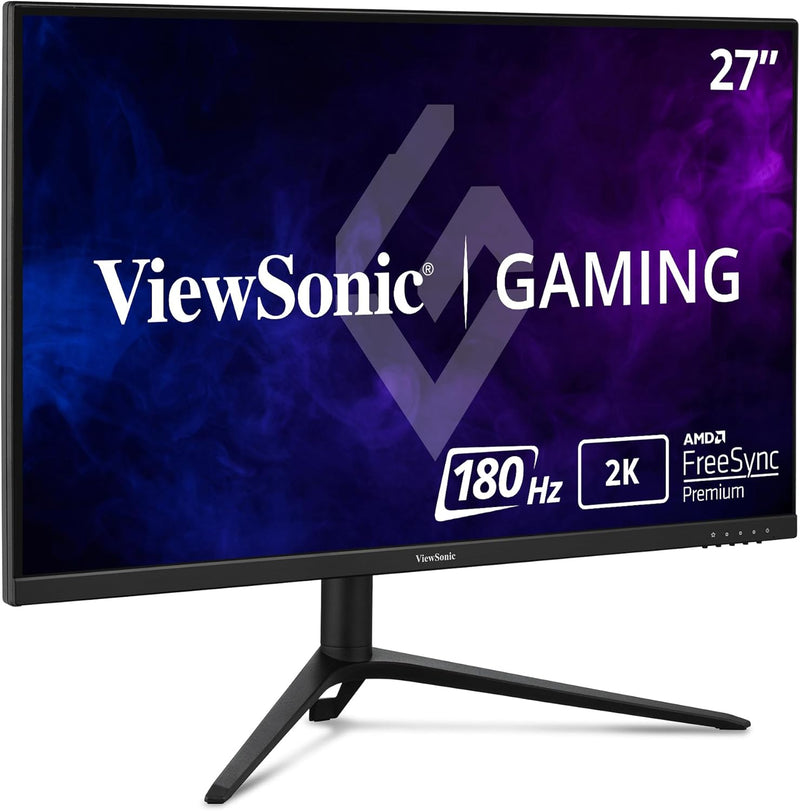
ViewSonic VX2728J-2K 27" 1440p 180Hz Gaming Monitor
1440pQHD27 InchDisplayPortHDR10
QHD resolution at 180Hz with 0.5ms MPRT response time positions the VX2728J-2K at the intersection of competitive performance and detail-rich image quality.
$169.99*$199.99Save 15%
View on Amazon
✓ In Stock on Amazon.com
*Price sourced from Amazon.com. Last updated:Aug 31, 2026.Price and availability are subject to change — details.
Affiliate Disclosure: As an Amazon Associate, Studio Supplies earns from qualifying purchases made through links on this page, at no additional cost to you. This helps support our editorial team.
Notice a mistake? Let Us Know
Overview
Key Features
Premium 180Hz Quad HD IPS Gaming Monitor: Experience superior detail with this 27 Inch 2K (2560 x 1440) IPS display; featuring a 180Hz refresh rate and 0.5ms (MPRT) response time, this display provides the speed and expansive screen real estate needed for high-end play
Fluid G-Sync and FreeSync Compatibility: Experience tear-free gameplay with NVIDIA G-Sync compatibility and AMD FreeSync Premium; these technologies synchronize frame rates to eliminate screen tearing and stuttering, ensuring a seamless and fluid visual experience
Advanced Ergonomic Features: Achieve the perfect viewing angle and reduce neck strain with a fully adjustable stand; enjoy personalized comfort with precision tilt, swivel, rotate, and height adjustment for a healthier and more productive gaming workstation
Vibrant HDR10 Content Support: Experience your favorite movies as the creators intended; HDR10 technology enhances every frame with deep contrast, rich color, and vibrant details, ensuring a more lifelike viewing experience for all your 4K media
Enhanced Viewing Comfort: Minimize eye fatigue during intensive gaming sessions with integrated Flicker-Free technology and a Blue Light Filter; these eye care features provide a more comfortable viewing experience, allowing you to stay in the game for longer
Flexible Connectivity Options: Seamlessly connect your gaming console, PC, and laptop with versatile input options; this monitor features HDMI and DisplayPort inputs, providing the reliable compatibility and high-speed data transfer needed for modern gaming hardware
Specifications
Brand
ViewSonic
Model
VX2728J-2K
Screen Size
27 Inches
Resolution
QHD 2560x1440p
Panel Type
IPS
Refresh Rate
180Hz
Response Time
0.5ms (MPRT)
Adaptive Sync
FreeSync Premium, NVIDIA G-Sync Compatible
HDR
HDR10
Connectivity
HDMI, DisplayPort
Ergonomics
Tilt, Swivel, Rotate, Height Adjustment
Dimensions
8.1 x 24.2 x 22.36 inches
Weight
4.7 lbs
Frequently Asked Questions
What does QHD (2560x1440) actually deliver over 1080p at 27 inches, and is 180Hz worth it at this resolution?
At 27 inches, QHD hits approximately 109 pixels per inch — versus 82 PPI at 1080p. The difference is clearly visible in text rendering, fine in-game detail, and desktop productivity. The 180Hz refresh rate is achievable at 1440p on mid-to-high-end GPUs (RTX 3070/4070 tier and above); on older or budget hardware you may need to drop settings to consistently hit that ceiling. The refresh rate primarily benefits fast-paced competitive titles where frame timing translates to responsiveness.
Is the 0.5ms response time measured in MPRT or GtG, and what does the distinction mean?
The 0.5ms figure is MPRT (Moving Picture Response Time), which measures motion blur perception rather than the panel's pixel-level transition speed (GtG). MPRT is typically achieved through backlight strobing, which reduces perceived blur but can lower effective brightness. GtG response on this panel is not the 0.5ms figure — for competitive shooters the MPRT spec is the more relevant motion clarity metric, but understand you're measuring different things when comparing to monitors quoting GtG.
Does FreeSync Premium also enable NVIDIA G-Sync Compatibility, and what frame rate range does it cover?
Yes — this monitor carries both FreeSync Premium and NVIDIA G-Sync Compatible certification, meaning adaptive sync functions with both AMD and NVIDIA GPU ecosystems without requiring the premium G-Sync module hardware. FreeSync Premium requires a minimum 120Hz LFC (Low Framerate Compensation) capability, which kicks in below the variable refresh range floor to prevent judder.
What are the connectivity options and is DisplayPort required to hit 180Hz?
The VX2728J-2K offers HDMI and DisplayPort inputs. To reliably achieve 180Hz at 1440p, DisplayPort is the recommended interface — HDMI 2.0 is bandwidth-limited at 1440p/144Hz and above. Verify your GPU's HDMI version if you intend to use HDMI at high refresh rates.
How does the ergonomic stand compare to budget monitors in this size class?
The VX2728J-2K ships with a full-adjustment stand supporting tilt, swivel, pivot (portrait rotation), and height adjustment. This is a meaningful differentiator in the sub-$300 27-inch segment, where many competitors ship tilt-only stands and require a VESA arm purchase to achieve ergonomic positioning. The 100x100mm VESA mount is also available if you prefer arm mounting.
Related Products


