

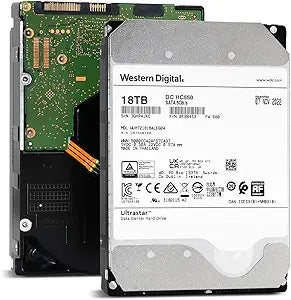


Western Digital
Western Digital DC HC550 18TB Enterprise HDD (Renewed)
Enterprise-grade 18TB storage with energy-assisted recording and helium-sealed reliability, renewed and ready to deploy.
$529.00*$546.00Save 3%
View on Amazon
✓ In Stock on Amazon.com
*Price sourced from Amazon.com. Last updated:Oct 21, 2026.Price and availability are subject to change — details.
Affiliate Disclosure: As an Amazon Associate, Studio Supplies earns from qualifying purchases made through links on this page, at no additional cost to you. This helps support our editorial team.
Notice a mistake? Let Us Know
Overview
Key Features
18TB 3.5-inch enterprise hard drive built on a helium-sealed platform for lower power draw and reduced weight in high-density deployments
SATA 6Gb/s interface with a 7200 RPM spindle speed — delivers a sustained transfer rate of up to 262 MB/s for consistent throughput
Conventional Magnetic Recording (CMR) technology delivers consistent, predictable performance across a wide range of enterprise workloads
512MB cache buffer paired with a 512e sector format for improved write performance and broad storage controller compatibility
Pin-3 Power Disable support with hot-plug capability — enables controlled power sequencing and fast drive replacement without downtime
Specifications
Brand
Western Digital
Model
DC HC550
Capacity
18TB
Recording Technology
CMR (Conventional Magnetic Recording)
Write Technology
EAMR (Energy-Assisted Magnetic Recording)
Actuator
Triple Stage Actuator (TSA)
Enclosure
HelioSeal (Helium-Sealed)
Design Generation
6th Generation
Condition
Renewed
Similar Products
Other products from the same family that visitors often consider:
 ✓ Available
Western Digital DC HC550 16TB SATA Enterprise HDD
$499.99
View on Amazon → ✓ Available
WD Ultrastar DC HC510 10TB Enterprise HDD Renewed
$83.99
View on Amazon →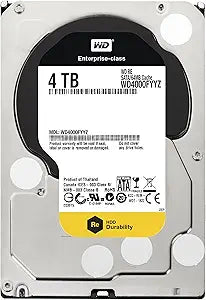 ✓ Available
Western Digital 4348277502 4TB Enterprise HDD Renewed
$129.99
View on Amazon → ✓ Available
Western Digital WD180PURZ 18TB Purple Surveillance HDD
$1,089.00
View on Amazon → ✓ Available
Western Digital WD181PURP 18TB Purple Pro Surveillance HDD
View on Amazon →Frequently Asked Questions
What does "Renewed" mean for this enterprise hard drive?
A renewed drive has been inspected, tested, and restored to working condition by a qualified refurbisher. It may show minor cosmetic wear but is functionally equivalent to a new drive. It typically comes with a shorter warranty than a factory-new unit.
What is EAMR technology and why does it matter on this drive?
Energy-Assisted Magnetic Recording (EAMR) improves the writability of the magnetic platters, allowing Western Digital to increase areal density and reach the 18TB capacity point. This means more storage per platter without sacrificing reliability.
Is this drive SMR or CMR?
This drive uses Conventional Magnetic Recording (CMR), which means it works well with all enterprise applications and workloads, including those that involve heavy random writes. There are no SMR-related write performance limitations.
What is the HelioSeal design?
HelioSeal is Western Digital's hermetically sealed drive enclosure filled with helium instead of air. Helium's lower density reduces drag on the spinning platters, resulting in lower power consumption, less heat, and quieter operation compared to air-filled drives.
What interface does this drive use?
The DC HC550 uses a standard SATA or SAS enterprise interface, making it compatible with most server and NAS platforms.
Related Products
