

Western Digital
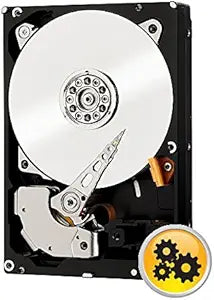
Western Digital WD2003FYYS RE4 Hard Drive
High Performance Storage for Demanding Environments The RE4 WD2003FYYS Hard Drive is designed to meet the demands of high-performance computing environments. Offering reliable storage with robust features, this hard drive ensures your data is safe and accessible when you need it most. Specifica...
$89.99*
View on Amazon
✓ In Stock on Amazon.com
*Price sourced from Amazon.com. Last updated:Oct 22, 2026.Price and availability are subject to change — details.
Affiliate Disclosure: As an Amazon Associate, Studio Supplies earns from qualifying purchases made through links on this page, at no additional cost to you. This helps support our editorial team.
Notice a mistake? Let Us Know
Overview
High Performance Storage for Demanding Environments
The RE4 WD2003FYYS Hard Drive is designed to meet the demands of high-performance computing environments. Offering reliable storage with robust features, this hard drive ensures your data is safe and accessible when you need it most.
Specifications:
- Brand: Western Digital
- Model: WD2003FYYS
- Series: RE4
Key Features
WD2003FYYS
Specifications
Model Number
WD2003FYYS
Product Line
RE4
Type
Hard Drive
Brand
Western Digital
Similar Products
Other products from the same family that visitors often consider:
 ✓ Available
Western Digital WD2003FYYS 2TB RE4 Enterprise SATA Hard Drive
$94.99
View on Amazon → ✓ Available
Western Digital WD2003FYYS Hard Drive 2TB Renewed
$87.99
View on Amazon → ✓ Available
Western Digital WD2003FYYS 2TB RE4 Enterprise HDD
$141.58
View on Amazon → ✓ Available
Western Digital RE4 WD2003FYYS 2TB SATA HDD Renewed
$79.90
View on Amazon → ✓ Available
Western Digital WD2003FYYS 2TB 7200RPM SATA Hard Drive
$98.98
View on Amazon →Frequently Asked Questions
What is the storage capacity of the Western Digital WD2003FYYS RE4 Hard Drive?
The product information does not specify the exact storage capacity in GB or TB for the WD2003FYYS model.
What interface does this Western Digital hard drive use (e.g., SATA, SAS)?
The specific interface for the Western Digital WD2003FYYS RE4 Hard Drive is not mentioned in the provided product details.
What is the RPM (rotations per minute) of this hard drive?
The RPM for the Western Digital WD2003FYYS RE4 Hard Drive is not specified in the given information.
Is this hard drive suitable for use in a desktop computer, or is it exclusively for servers?
While part of the RE4 line typically used in servers, specific compatibility for desktop use is not detailed, but it may depend on the interface and system requirements.
Does this hard drive come with any manufacturer's warranty?
The product description does not include information about any warranty coverage for the Western Digital WD2003FYYS RE4 Hard Drive.
Related Products
