



Western Digital
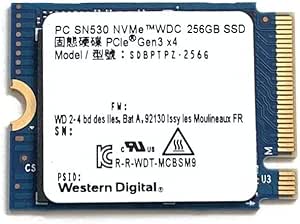
Western Digital SDBPTPZ-256G 256GB M.2 2230 NVMe SSD
PCIe Gen3
256GB of PCIe Gen3 NVMe speed in the compact 2230 form factor that unlocks real storage upgrades for Steam Deck and Surface Pro owners.
$79.99*$92.99Save 13%
View on Amazon
✓ In Stock on Amazon.com
*Price sourced from Amazon.com. Last updated:Oct 21, 2026.Price and availability are subject to change — details.
Affiliate Disclosure: As an Amazon Associate, Studio Supplies earns from qualifying purchases made through links on this page, at no additional cost to you. This helps support our editorial team.
Notice a mistake? Let Us Know
Overview
Key Features
Sequential read/write up to (MB/s): 2400/950
Random read/write up to (IOPS): 170K/120K
Form factor, Interface: M.2 2230, PCIe Gen3 x4
Compatibility: Surface Pro Tablet, Steam Deck and other systems with M.2 2230 NVMe PCIe slot
Specifications
Capacity
256GB
Form Factor
M.2 2230 (22×30mm)
Interface
PCIe Gen3 x4
Protocol
NVMe
Sequential Read
Up to 2400 MB/s
Sequential Write
Up to 950 MB/s
Random Read
Up to 170,000 IOPS
Random Write
Up to 120,000 IOPS
Compatible Devices
Steam Deck, Surface Pro, Dell/HP/Lenovo ultrabooks and tablets with M.2 2230 NVMe PCIe slot
Brand
Western Digital
Model
SDBPTPZ-256G
Similar Products
Other products from the same family that visitors often consider:
 Currently Unavailable
Western Digital SN730 256GB NVMe M.2 SSD - OEM
Check on Amazon → ✓ Available
Western Digital 256GB M.2 NVMe Gen4 Gaming SSD
$74.44
View on Amazon → ✓ Available
Western Digital SDBPNTY-256G WD 256GB Gaming SSD
$99.99
View on Amazon → ✓ Available
Western Digital SDBPTPZ-512G 512GB M.2 2230 NVMe SSD
$154.51
View on Amazon →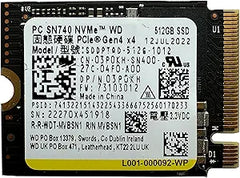 ✓ Available
Western Digital SDDPTQD-512G 512GB M.2 2230 NVMe SSD
$149.00
View on Amazon →Frequently Asked Questions
What makes the M.2 2230 form factor different from a standard M.2 drive?
The 2230 designation means this drive is 22mm wide and 30mm long — roughly half the length of the common 2280 (80mm) format. Most desktop and laptop M.2 slots are built for 2280 drives, so this shorter stick is specifically for compact devices like the Steam Deck, Surface Pro tablets, and select ultrabooks that physically cannot accommodate a full-length M.2 module.
Will this drive fit a Steam Deck?
Yes. Valve's Steam Deck uses an M.2 2230 NVMe PCIe Gen3 x4 slot, which is exactly what this drive is designed for. It is a direct drop-in replacement for the factory SSD with no adapter required.
What real-world read performance can I expect versus the rated 2400 MB/s sequential speed?
Sequential reads approaching 2400 MB/s are achievable in large file transfers — loading a game level from a single large asset file, for example. Random read performance (170K IOPS) is what governs OS boot times and application launch speeds, and at this tier it is meaningfully faster than SATA SSDs which cap around 100K IOPS.
Does this drive require a heatsink or active cooling?
The 2230 form factor was designed for thermally constrained devices that manage heat through chassis contact or limited passive dissipation. No external heatsink is needed or typically compatible in target devices like the Steam Deck, which handles thermal management internally.
Is this drive compatible with NVMe PCIe Gen4 slots?
Yes, PCIe Gen4 slots are backwards-compatible with Gen3 drives. The drive will operate at Gen3 speeds (up to 2400 MB/s read) rather than the higher ceiling Gen4 allows. You will not see Gen4 performance, but the drive will function correctly.
Related Products


