

Western Digital
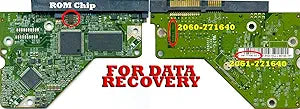
Western Digital WD5000AADS Caviar Green 500GB HDD PCB
Recover Your Data with the Western Digital WD Caviar Green 500GB Hard Drive The Western Digital WD Caviar Green 500GB hard drive is designed to help you recover your valuable data in the event of a circuit board failure. This replacement PCB (Printed Circuit Board) is an identical and functional...
View price on Amazon
Affiliate Disclosure: As an Amazon Associate, Studio Supplies earns from qualifying purchases made through links on this page, at no additional cost to you. This helps support our editorial team.
Notice a mistake? Let Us Know
Overview
Recover Your Data with the Western Digital WD Caviar Green 500GB Hard Drive
The Western Digital WD Caviar Green 500GB hard drive is designed to help you recover your valuable data in the event of a circuit board failure. This replacement PCB (Printed Circuit Board) is an identical and functional replacement for your original board, enabling you to repair your hard drive and avoid costly data recovery services. Please note that "Firmware Transfer" is required.
Specifications:
- Model: WD5000AADS-00S9B0
- Firmware: Please Read Description (Firmware Transfer Required)
- DCM: HHNNHT2AHN
- Capacity: 500GB
- PCB #: 2060-771640-003 REV A
Important Note: This product requires "Firmware Transfer." Mail the damaged board for data transfer to the new board to ensure compatibility.
Specifications
Brand
Western Digital
Model
WD5000AADS Caviar Green
Capacity
500GB
Component Type
HDD PCB
Frequently Asked Questions
What does "HDD PCB" imply about this Western Digital product?
"HDD PCB" indicates that this product is the Printed Circuit Board of a hard drive, typically used for repairing an existing drive rather than being a complete, ready-to-install hard drive unit.
Is this 500GB Caviar Green HDD suitable for a primary operating system drive?
While it can function as a primary drive, its 500GB capacity might be limited for a modern operating system and applications, and its "Green" designation suggests a potentially slower performance that would not be ideal for system responsiveness compared to an SSD.
What are the typical performance characteristics of a Caviar Green drive?
Western Digital Caviar Green drives are generally characterized by lower power consumption and quieter operation, often achieved through slower spindle speeds (typically 5400 RPM), which translates to more modest data transfer rates compared to performance-oriented drives.
How does the performance of this HDD compare to modern SSDs?
This HDD will be significantly slower than modern Solid State Drives (SSDs) in terms of boot times, application loading, and file transfer speeds, as HDDs rely on mechanical platters while SSDs use flash memory.
Can this PCB be used to repair any Western Digital 500GB drive?
No, a specific HDD PCB like the WD5000AADS Caviar Green is typically designed for a very specific drive model and firmware revision; it cannot be used interchangeably with just any 500GB Western Digital drive.
Related Products
