

Western Digital
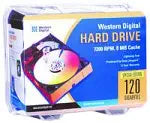
Western Digital WD1200JBRTL 120GB EIDE Hard Drive
Reliable Storage for High-Performance ComputingExperience reliable and high-performance storage with the Western Digital 120 GB EIDE Hard Drive. Designed to maximize desktop computer performance, this drive is ideal for gaming, video editing, and file server applications. Specifications Brand: ...
$102.68*
Check availability
*Price sourced from Amazon.com. Last updated:Aug 29, 2026.Price and availability are subject to change — details.
Affiliate Disclosure: As an Amazon Associate, Studio Supplies earns from qualifying purchases made through links on this page, at no additional cost to you. This helps support our editorial team.
Notice a mistake? Let Us Know
Overview
Reliable Storage for High-Performance Computing
Experience reliable and high-performance storage with the Western Digital 120 GB EIDE Hard Drive. Designed to maximize desktop computer performance, this drive is ideal for gaming, video editing, and file server applications.
Specifications
- Brand: Western Digital
- Capacity: 120 GB
- Interface: Ultra ATA/100 (EIDE)
- Buffer Size: 8 MB Cache
- Rotational Speed: 7,200 RPM (nominal)
- Average Latency: 4.2 milliseconds (nominal)
- Form Factor: 3.5-inch
Key Features
120 GB Ultra ATA/100 internal hard drive
7200 RPM, 8 MB buffer
Up to 100 MB/s burst transfer rates; data protection enhancments
40-pin EIDE
Fits 3.5-inch bay
Specifications
Capacity
120 GB
Interface
Ultra ATA/100
RPM
7200 RPM
Buffer
8 MB
Connector
40-pin EIDE
Form Factor
3.5-inch bay
Transfer Rate
Up to 100 MB/s burst
Frequently Asked Questions
What type of interface does this Western Digital hard drive use?
This Western Digital WD1200JBRTL hard drive uses a 40-pin EIDE (Ultra ATA/100) interface, which is a legacy connection type for older computer systems.
What is the capacity of this hard drive?
The hard drive offers a storage capacity of 120 GB, suitable for basic computing needs or as a replacement drive in older systems.
What is the rotational speed and buffer size of this drive?
This drive features a rotational speed of 7200 RPM and comes with an 8 MB buffer, contributing to its data access performance.
Will this hard drive fit in a modern computer?
This drive is designed to fit a 3.5-inch bay, but its EIDE interface means it will only be compatible with motherboards that support EIDE/PATA connections, which are rare in modern computers.
What are the burst transfer rates for this drive?
The Western Digital WD1200JBRTL supports burst transfer rates of up to 100 MB/s, allowing for relatively quick data movement over its Ultra ATA/100 interface.
Related Products
