

EVGA
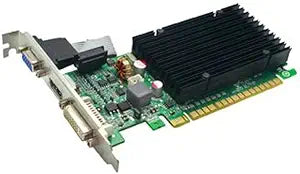
EVGA 01G-P3-1313-KR GeForce 210 Graphics Card
Affordable Graphics for Everyday Computing Introducing the EVGA GeForce 210 Graphics Card. This entry-level graphics card provides a boost in performance for everyday computing tasks. With its multiple output ports and support for high resolutions, it's perfect for upgrading older systems or add...
$24.99*
View on Amazon
✓ In Stock on Amazon.com
*Price sourced from Amazon.com. Last updated:Sep 12, 2026.Price and availability are subject to change — details.
Affiliate Disclosure: As an Amazon Associate, Studio Supplies earns from qualifying purchases made through links on this page, at no additional cost to you. This helps support our editorial team.
Notice a mistake? Let Us Know
Overview
Affordable Graphics for Everyday Computing
Introducing the EVGA GeForce 210 Graphics Card. This entry-level graphics card provides a boost in performance for everyday computing tasks. With its multiple output ports and support for high resolutions, it's perfect for upgrading older systems or adding a second display.
- GPU: GeForce 210
- Memory: 1024MB DDR3
- GPU Clock: 520MHz
- Memory Clock: 1200MHz (effective)
- Memory Bandwidth: 9.6GB/s
- Interface: PCI-e 2.0 x16
- Ports: (1) DVI-I, (1) HDMI, (1) VGA
Specifications
Model
GeForce 210
Video Memory (Likely)
1GB
Similar Products
Other products from the same family that visitors often consider:
 ✓ Available
EVGA 01G-P3-1313 GeForce 210 Graphics Card
$24.99
View on Amazon → ✓ Available
EVGA 512-P3-1213-LR GeForce 210 DDR2 Graphics Card
$49.99
View on Amazon → ✓ Available
EVGA 512-P3-1311-KR: GeForce 210 512MB DDR3 Graphics Card
$89.99
View on Amazon → ✓ Available
EVGA 06G-P4-3790-KR GeForce GTX Titan Black Graphics Card
$475.00
View on Amazon → Currently Unavailable
EVGA 012-P3-1178-TR GeForce GTX 275 Graphics Card
Check on Amazon →Frequently Asked Questions
What kind of performance can I expect from the EVGA 01G-P3-1313-KR GeForce 210 Graphics Card?
The EVGA GeForce 210 is an entry-level graphics card designed for basic display output and multimedia, not for high-performance gaming or intensive graphical applications.
Is this graphics card suitable for modern games?
No, the GeForce 210 is an older generation card and will not provide adequate performance for modern gaming titles that require more advanced graphics capabilities.
What is the video memory capacity of this EVGA GeForce 210 card?
Based on the "01G" in the model number, it likely features 1GB of video memory, which is sufficient for basic display functions.
Will this graphics card work with my older computer?
This card is often used for upgrading older systems that need a dedicated graphics solution, but compatibility should always be verified with your motherboard's specifications.
What display outputs does this graphics card typically feature?
Specific display outputs are not provided in the features, but GeForce 210 cards commonly include DVI, VGA, and HDMI for standard monitor connections.
Related Products


