

Seagate
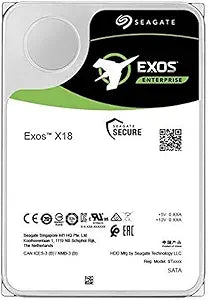
Seagate ST12000NM002G Exos X18 16TB Enterprise HDD
High-Capacity Enterprise Storage for Demanding WorkloadsThe SEAGATE Exos X18 is a high-performance hard drive designed for enterprise environments requiring robust storage and reliable data management. This drive offers exceptional capacity and advanced features to handle demanding workloads. ...
$692.29*
View on Amazon
✓ In Stock on Amazon.com
*Price sourced from Amazon.com. Last updated:Oct 23, 2026.Price and availability are subject to change — details.
Affiliate Disclosure: As an Amazon Associate, Studio Supplies earns from qualifying purchases made through links on this page, at no additional cost to you. This helps support our editorial team.
Notice a mistake? Let Us Know
Overview
High-Capacity Enterprise Storage for Demanding Workloads
The SEAGATE Exos X18 is a high-performance hard drive designed for enterprise environments requiring robust storage and reliable data management. This drive offers exceptional capacity and advanced features to handle demanding workloads.
- Capacity: 16TB
- Form Factor: 3.5"
- Interface: 512e/4KN
Key Features
ST16000NM001J
Specifications
Brand
Seagate
Series
Exos X18
Model
ST12000NM002G
Capacity
16TB
Form Factor
Enterprise HDD
Alternative Model Number
ST16000NM001J
Similar Products
Other products from the same family that visitors often consider:
 ✓ Available
Seagate ST16000NM000J 16TB Exos X18 Enterprise HDD
$499.99
View on Amazon → ✓ Available
Seagate ST10000NM018G Exos X18 10TB Enterprise HDD
$564.37
View on Amazon → ✓ Available
Seagate ST10000NM013G Exos X18 10TB Enterprise HDD
$684.75
View on Amazon → Currently Unavailable
Seagate Exos X16 16TB Enterprise HDD 2-Pack
Check on Amazon → ✓ Available
Seagate Exos X24 16TB SATA Enterprise HDD Renewed
$479.99
View on Amazon →Frequently Asked Questions
What is the storage capacity of the Seagate Exos X18 HDD?
The Seagate Exos X18 Enterprise HDD offers a substantial storage capacity of 16TB, suitable for demanding data storage requirements in enterprise environments.
Is this hard drive designed for personal or enterprise use?
This Seagate Exos X18 is specified as an Enterprise HDD, meaning it is built for use in data centers and other demanding business environments that require high capacity and reliability.
Are there any other model numbers associated with this product?
Yes, the product features an alternative model number, ST16000NM001J, which may be relevant for cross-referencing or compatibility checks.
What form factor does this hard drive use?
This product is identified as an Enterprise HDD, indicating it adheres to standards for professional-grade hard drives used in server and data center applications.
Does the listing provide details on the drive's RPM or interface?
The provided information does not specify the drive's rotational speed (RPM) or its interface type (e.g., SATA, SAS), so these details would need to be verified elsewhere.
Related Products
